

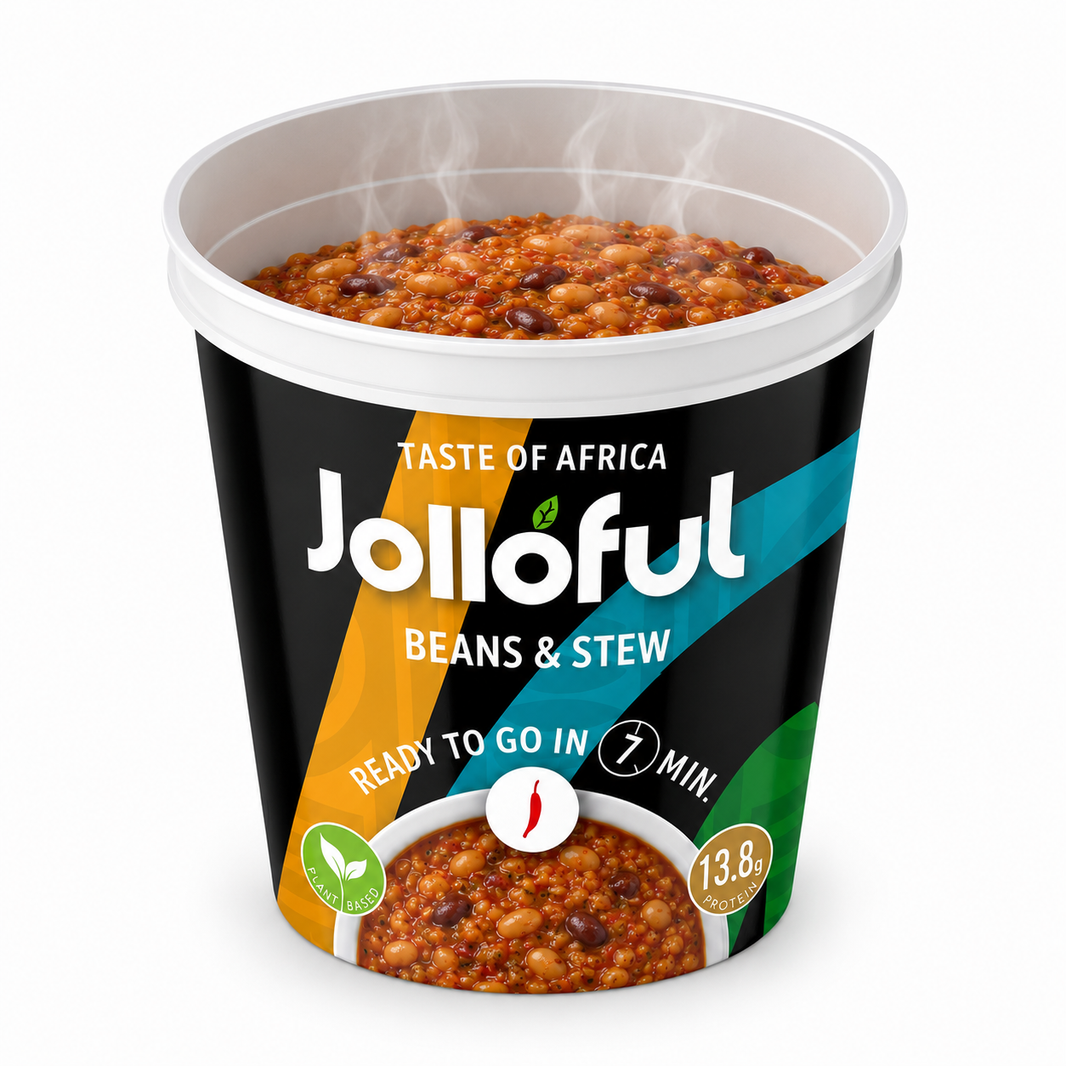

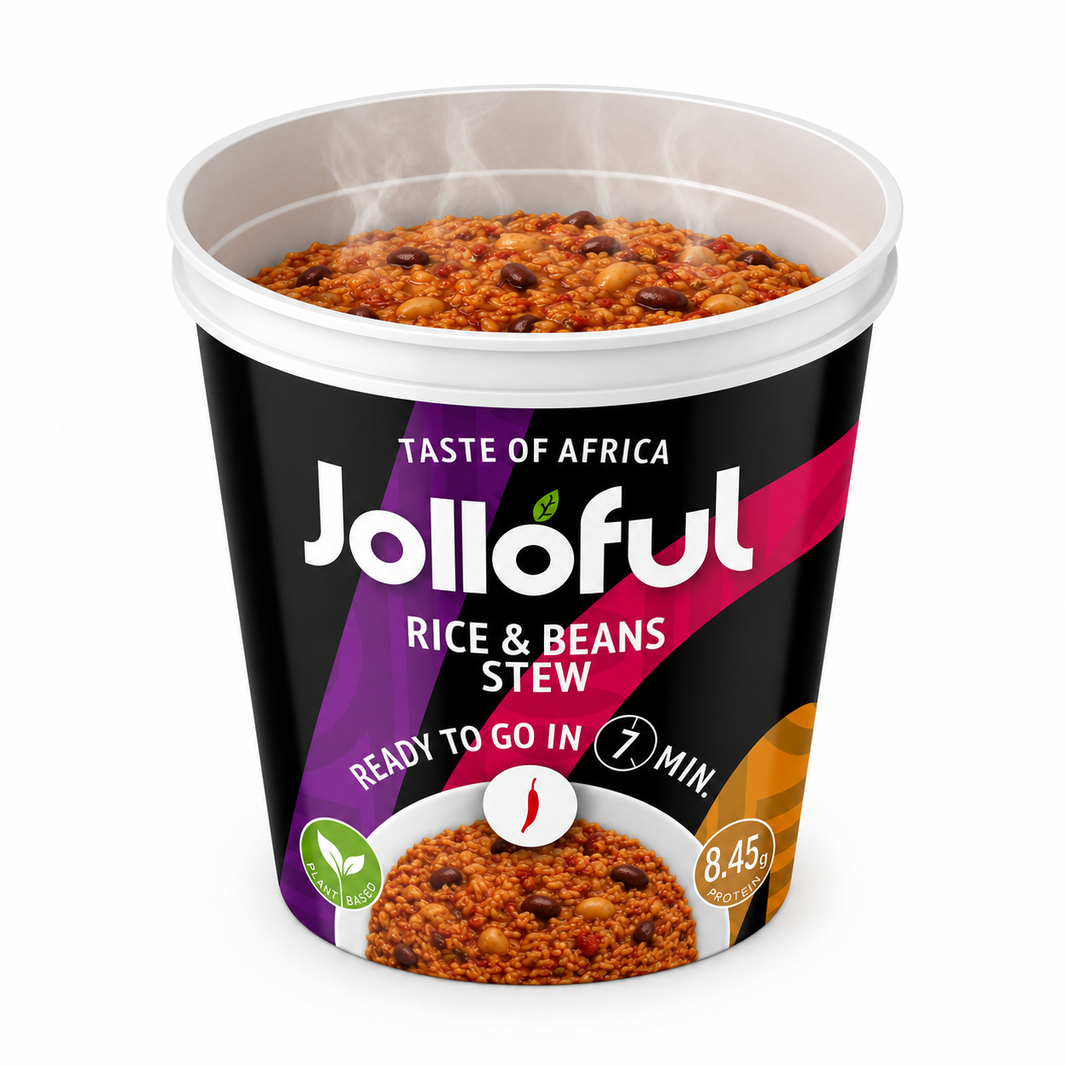

A rushed lunch between meetings. A late train home. A university kitchen with one working hob. These are the moments dehydrated meals are made for - but fast food should still feel like food. It should carry proper flavour, recognisable ingredients and enough character to make a five-minute meal feel worth sitting down for.
The old idea of shelf-stable food is bland, beige and built around compromise. That is changing. Better dehydrated meals bring real dishes into busy routines without asking you to choose between speed and the flavours you grew up with, or the ones you are ready to discover.
What dehydrated meals actually are
A dehydrated meal is made by removing water from cooked or prepared ingredients so they can be stored safely for longer. Add hot water later, wait a few minutes, and the ingredients rehydrate into a ready-to-eat meal.
That sounds simple because it is. The quality, however, comes down to what happens before the water is removed. A thoughtful meal starts with ingredients that have flavour in the first place: vegetables, grains, pulses, herbs, spices and properly developed sauces. Drying preserves what has been built in the kitchen. It cannot rescue a recipe that was flat to begin with.
This is why dehydrated food deserves a second look. It is not automatically lesser food. It is a format. Like chilled food, frozen food or tinned food, it can be made carelessly or exceptionally well.
Why the format fits modern life
Fresh cooking is brilliant when you have time, energy and a stocked kitchen. Real life is not always arranged that neatly. Some evenings call for a meal that is ready before your phone stops buzzing. Some workdays need something more satisfying than biscuits from the office cupboard.
Dehydrated meals offer a practical middle ground. They take up little space, travel easily and do not demand a freezer or a last-minute supermarket run. For people in small flats, shared houses, student halls or frequently changing schedules, that convenience is genuinely useful.
Long shelf life also means less pressure to eat everything immediately. You can keep a few meals ready for the days when cooking from scratch is not realistic. That is not giving up on good food. It is planning for yourself honestly.
For diaspora households, shelf-stable African meals can meet another need: access. Familiar flavour should not be limited to the rare day you have time to source every ingredient, prepare every element and cook for hours. A quick meal will never replace a family recipe or a full shared table. It can still offer comfort, recognition and a welcome reminder of home.
Not all dehydrated meals deserve your cupboard space
Convenience is only a benefit when the meal delivers after the kettle boils. Some products lean heavily on salt, sugar, artificial flavourings or vague ingredient lists to create impact quickly. Others make the effort to build flavour through spices, aromatics, vegetables and balanced seasoning.
When choosing a meal, look beyond the front of the pack. The ingredient list tells a clearer story than phrases such as “premium” or “gourmet”. You want ingredients you can recognise and a recipe that sounds like a meal, not a chemistry experiment.
A good dehydrated meal should also be clear about what it is. Is it intended as a light lunch, a hearty dinner or a base to build on? Portion size matters. So does protein. A meal rich in beans, lentils or other substantial ingredients will usually keep you fuller for longer than one built mostly from refined starch.
Four quick checks make shopping easier:
- Look for recognisable ingredients and no unnecessary artificial colours.
- Check whether the flavour profile comes from real herbs, spices and vegetables.
- Consider the portion alongside your appetite and the time of day.
- Choose brands that name the cuisine and respect the traditions behind it.
Flavour needs more than heat
African cooking is often reduced to heat by people who have not spent enough time with it. Yes, chilli has its place. But heat is only one note. The real pleasure lies in layers: toasted spices, savoury depth, bright aromatics, earthy pulses, tangy accents and a warmth that stays with you after the first bite.
That complexity is exactly what separates a memorable dehydrated meal from a forgettable one. If all you taste is salt or chilli, the recipe has missed the point. A well-made meal should have a beginning, middle and finish, even when it is prepared with hot water in seven minutes.
Texture deserves attention too. Rehydrated grains should not be mushy. Vegetables should retain some bite where the recipe calls for it. Sauces should coat the ingredients rather than vanish into thin, watery seasoning. This is where recipe development matters most, and where cheap convenience food often falls short.
How to make a quick meal feel more complete
Dehydrated meals are designed to stand on their own, but you can adapt them to the moment. If you need something more substantial, add a boiled egg, leftover roast chicken, tinned fish, tofu or a handful of fresh greens. If you want brightness, a squeeze of lemon or a spoonful of yoghurt can shift the whole bowl.
Use the water measurement on the pack as a starting point, not a law. Prefer a thicker, more intense result? Begin with slightly less hot water, stir well, then add more if needed. Letting the meal sit for an extra minute can also improve texture, particularly when grains and pulses need time to absorb moisture fully.
For lunch at work, keep a spoon and access to a kettle in mind. For travel, check whether hot water will be available before relying on any meal format. Convenience works best when it fits the situation, rather than creating a new problem to solve.
A smarter kind of store-cupboard food
The appeal of dehydrated meals is not that they replace cooking. It is that they give busy people more options. You can still cook slowly at the weekend, share big meals with friends and take pride in a recipe that takes time. You can also have a deeply satisfying lunch on a Wednesday when your diary is packed.
Jolloful was built around that belief: real food, rooted in culture, prepared for the pace of modern life. The goal is not to make African food more convenient by making it less itself. The goal is to respect the flavour, then make room for it in more everyday moments.
The best dehydrated meals do not ask you to lower your standards because you are short on time. Keep a few you genuinely look forward to eating, and your busiest days can still taste like something worth enjoying.


Hinterlasse einen Kommentar