



Order your 8-pack / 12 pack box today
A sad desk lunch is rarely about hunger. It is about opening a packet, adding hot water, and already knowing the flavour will be flat. To make shelf stable meal kits worth reaching for, start with a higher standard: real ingredients, clear flavour, and a meal that feels rooted in somewhere.
Shelf stability should make life easier, not make food forgettable. The best kits keep in the cupboard, travel well, and come together in minutes - while still delivering the warmth, spice and depth people expect from a proper meal.
What shelf stable actually means
Shelf stable means a product can be safely stored at room temperature for its intended shelf life while unopened. That does not mean every dry-looking ingredient belongs in a sealed pouch, and it does not mean cooked food can simply be packed away and left in a cupboard.
For home-made kits, the sensible approach is to build meals from commercially packaged, shelf-stable components. Think dried grains, pulses, spice blends, dehydrated vegetables, powdered sauces and sealed tins or pouches with their own storage guidance. Keep each ingredient in its original packaging where possible, or transfer only fully dry items into clean, airtight containers.
If you are creating a ready-to-eat product for sale, the bar is far higher. Shelf stability depends on recipe formulation, water activity, acidity, packaging, heat processing, validated shelf-life testing and food safety controls. It is not a shortcut project. Work with a qualified food technologist and use an approved production process before putting a shelf-life claim on any meal.
That distinction matters. A brilliant pantry kit is achievable at home. A safely shelf-stable cooked meal needs professional development.
Make shelf stable meal kits around one complete eating moment
The strongest kits do not feel like a random collection of packets. They answer one clear question: what will I eat when I have seven minutes, one kettle and no patience for bland food?
Begin with a base, then add body, flavour and finish. A kit built around a single dominant spice sachet can smell exciting but still eat like a side dish. Protein, texture and a proper sauce or seasoning blend create the difference between a snack and lunch.
A reliable kit usually includes four distinct elements:
- a quick-cooking carbohydrate such as couscous, instant wholegrain rice or fine bulgur
- a protein element such as lentils, beans, chickpeas, textured pea protein or a shelf-stable fish pouch
- dehydrated vegetables or greens for colour, texture and balance
- a concentrated seasoning, sauce powder or spice blend with enough character to carry the meal
The exact formula depends on the eater. Students may prioritise price and speed. Office workers may want something satisfying that does not require a microwave. Families may prefer a larger base component with heat levels they can adjust. There is no single perfect kit, but there should always be a clear purpose.
Build flavour in layers, not just heat
African food is not one flavour profile, and it should never be reduced to “spicy”. Heat can be part of the experience, but flavour depth comes from the relationship between aromatics, savoury notes, acidity, sweetness and spice.
Start with an aromatic backbone. Onion, garlic, ginger, smoked paprika, dried herbs, fermented notes and warming spices can all bring a dish to life in dry form. Then consider contrast. Tomato powder can provide brightness; dried citrus can lift richer ingredients; ground seeds or nut powders can give body. A small chilli sachet on the side is often smarter than forcing every eater into the same heat level.
Taste the kit exactly as someone will prepare it. Do not taste the seasoning blend on its own and assume it will behave the same after hot water meets grains, vegetables and protein. Salt, fat and acidity all shift once the meal hydrates.
This is where many convenience meals fall short. They chase a loud first bite, then disappear. A better meal keeps developing as you eat it. The warmth arrives, the aromatics linger, and the final spoonful still has something to say.
Choose ingredients that rehydrate well
Not every ingredient survives drying or hot-water preparation with its dignity intact. Build around ingredients that become enjoyable quickly, rather than asking people to tolerate a disappointing texture for the sake of convenience.
Fine grains, red lentils, split peas, dried mushrooms, vegetable flakes and powdered coconut or tomato bases are dependable options. Larger beans may need pre-cooking and separate packaging, while tougher whole grains can need longer than a busy lunch break allows. If the kit requires fifteen minutes of soaking, simmering and stirring, it may be delicious, but it is no longer built for the moment shelf-stable meals are meant to solve.
Fat deserves special care. It carries flavour and creates a fuller mouthfeel, yet oils can go rancid over time. Use stable, well-packaged fat-containing ingredients, check their individual dates, and avoid making a home kit sit for months in warmth or direct light. For a richer finish, a separately packed shelf-stable sauce or nut-based topping can work better than mixing everything into one dry blend.
Package for real life, not a perfect pantry
A meal kit is only convenient if it works beyond your kitchen shelf. Consider the commuter bag, the work drawer, the university cupboard, the hotel room and the late arrival home. The packaging should be easy to open, clear to understand and tough enough to survive being carried around.
For a home-prepared kit, label every container with the contents, preparation method and the earliest best-before date of its components. Keep it cool, dry and away from sunlight. Make the instructions specific: how much hot water to add, whether to cover it, and how long to wait. “Add water” is not enough when the difference between 180 ml and 300 ml can turn a good meal into soup.
For commercial products, packaging has to do even more. It protects flavour, controls moisture and oxygen exposure, communicates allergens and makes preparation feel effortless. Clean labels are valuable, but clarity is the real standard. If an ingredient is there, say what it is. If a meal contains heat, tell people. If it needs more than hot water, do not hide that behind clever design.
Keep the ingredient list honest
Convenience food has earned scepticism for good reason. People have been taught to expect long ingredient lists, artificial colours and a vague savoury taste that could belong to almost anything. Shelf stable does not have to mean overworked.
Use ingredients with a job to do. A grain adds substance. A pulse adds protein. A spice blend brings identity. A vegetable brings colour and texture. If a component only exists to imitate food, ask whether the recipe needs rethinking.
“No added preservatives” can be a meaningful choice, but it is not a magic phrase. Safety comes from the complete method: ingredient quality, moisture control, packaging, handling and proper storage. Be proud of simple ingredients, while being precise about what keeps the meal safe and enjoyable.
Make preparation feel generous
Fast preparation should still feel like a small act of care. Give people a useful instruction, not a puzzle. “Add boiling water, stir well, cover for six minutes, then fluff” tells them what success looks like. A note such as “add a squeeze of lemon or a spoonful of yoghurt if you have it” can make the meal feel flexible without making it dependent on extras.
This is also where a thoughtfully made meal stands apart from cheap instant options. You are not asking someone to settle because they are busy. You are giving them a fast route to food with flavour, texture and cultural confidence.
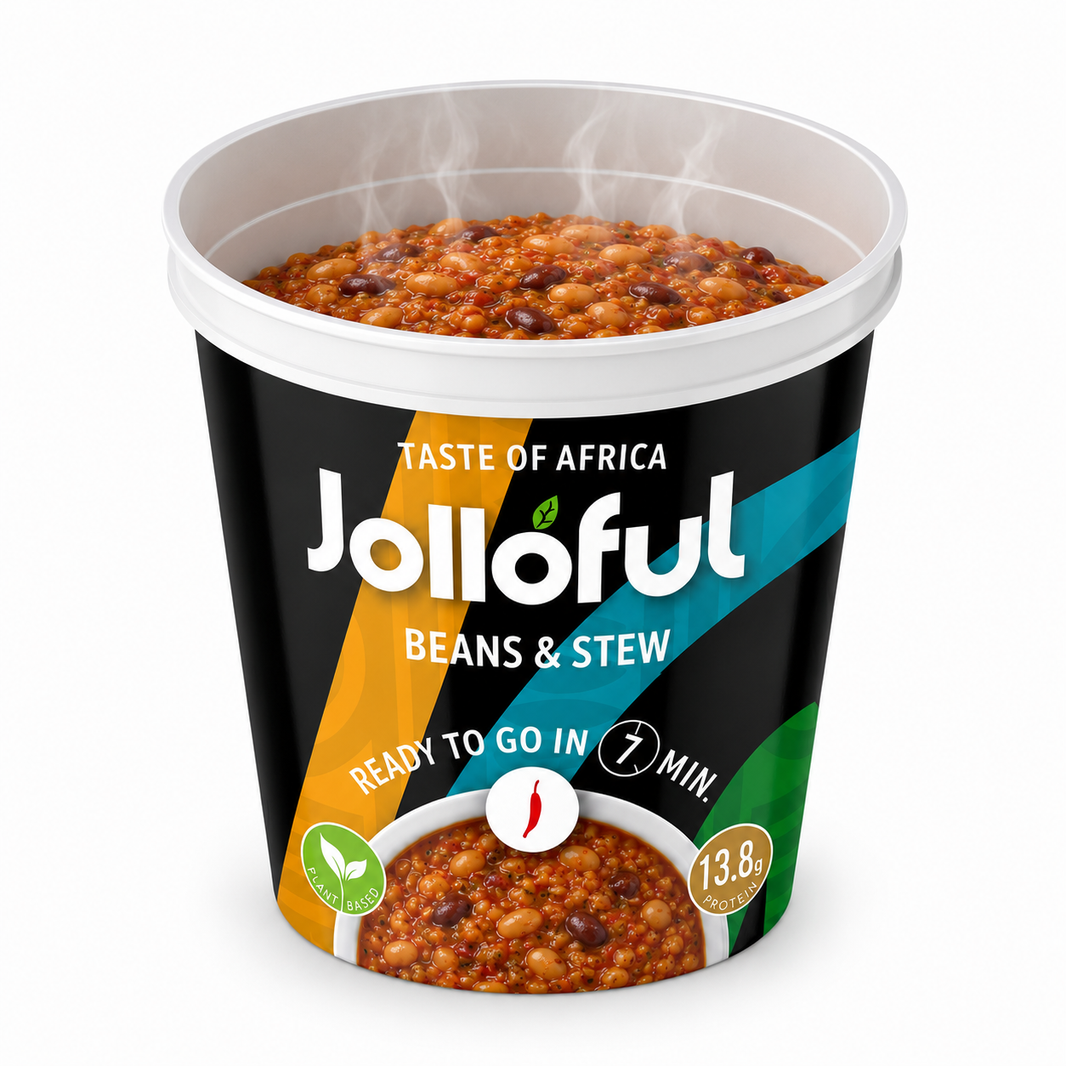
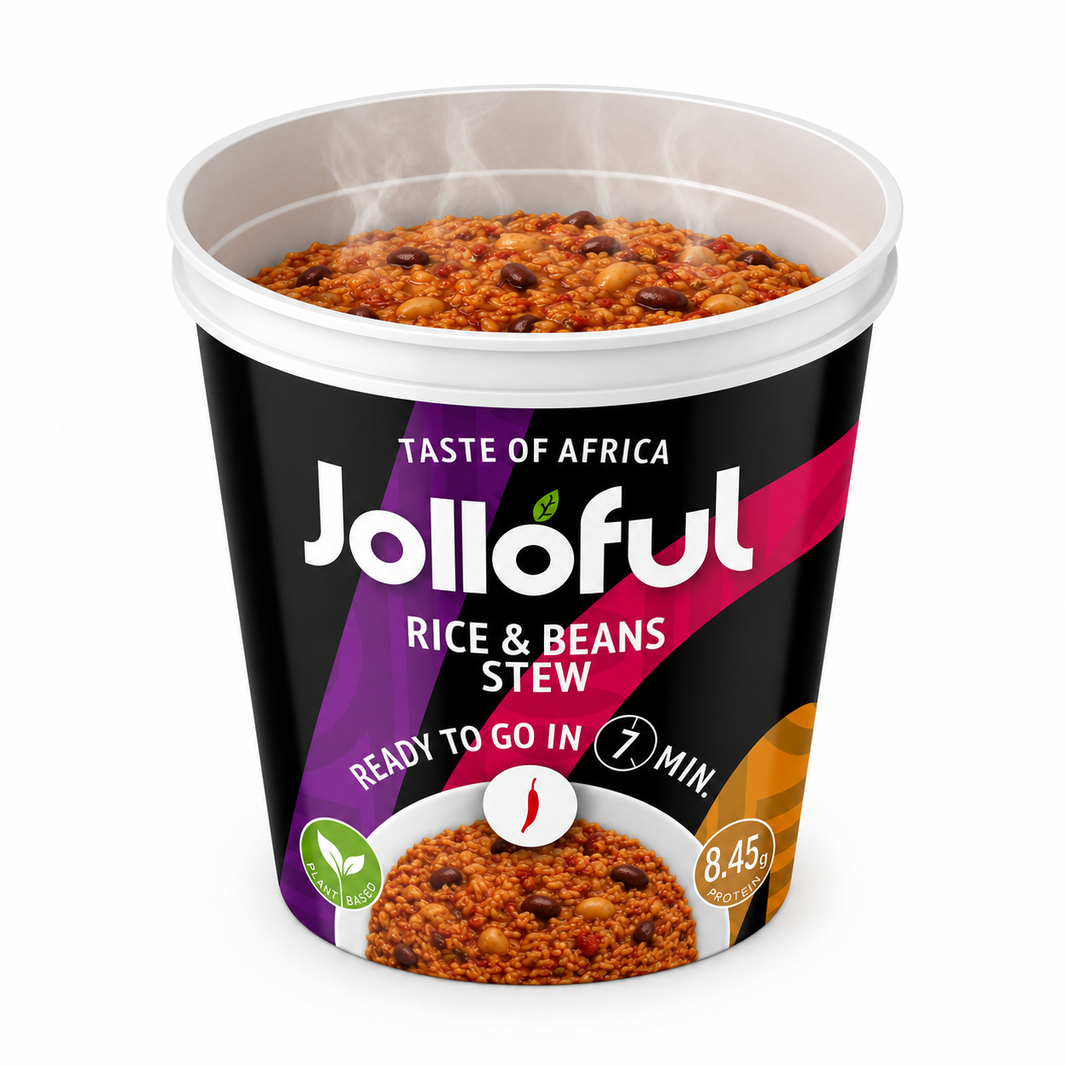
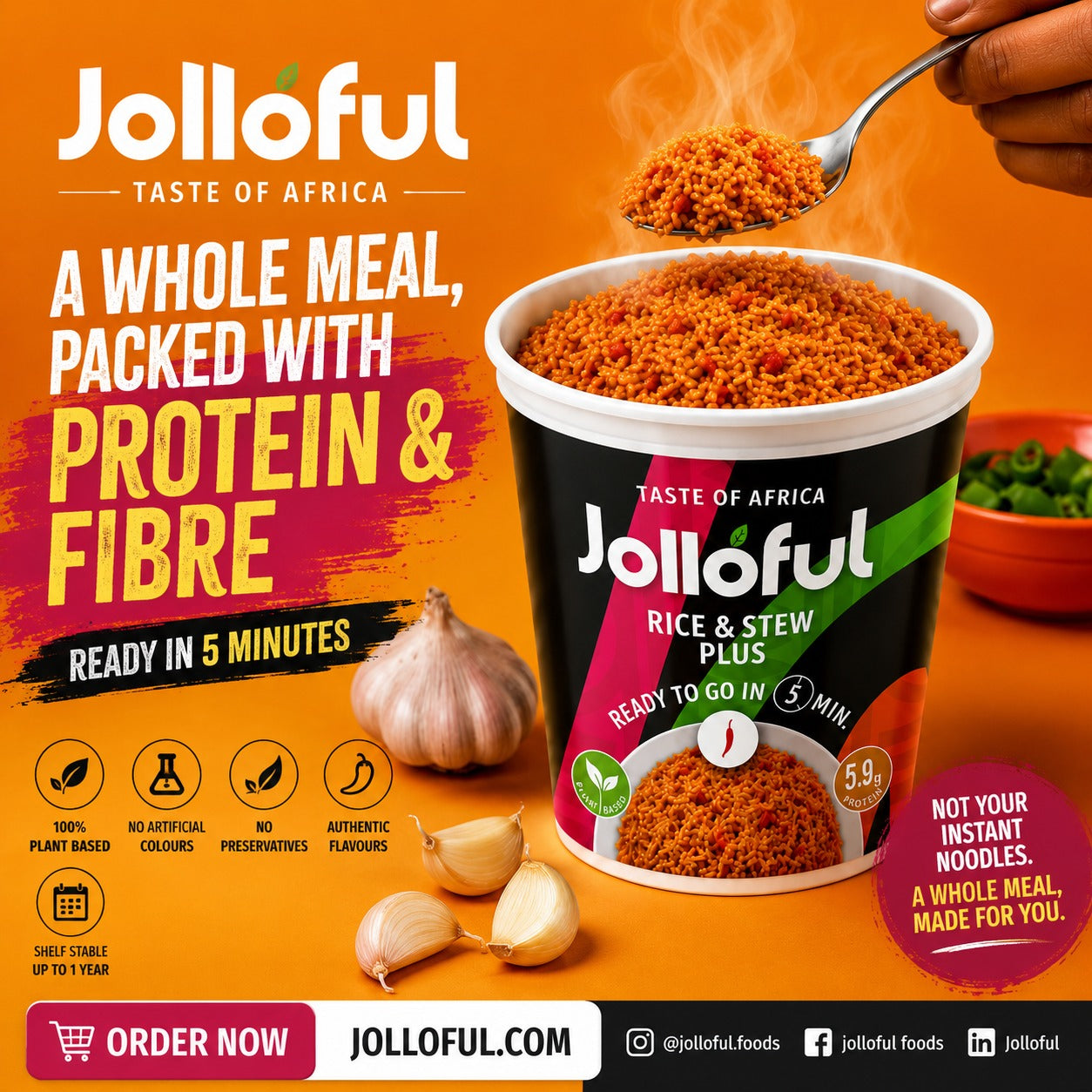
Jolloful was built around that belief: African meals deserve space in the everyday cupboard, ready when life is moving quickly and hunger is not prepared to wait.
The best shelf-stable kit earns repeat use because it respects both time and taste. Make one for the day you miss lunch, the train that runs late, the workday that empties the fridge, or the evening when cooking from scratch is not happening. Keep it simple, make it bold, and let convenience taste like a choice you are happy to make.


Hinterlasse einen Kommentar