

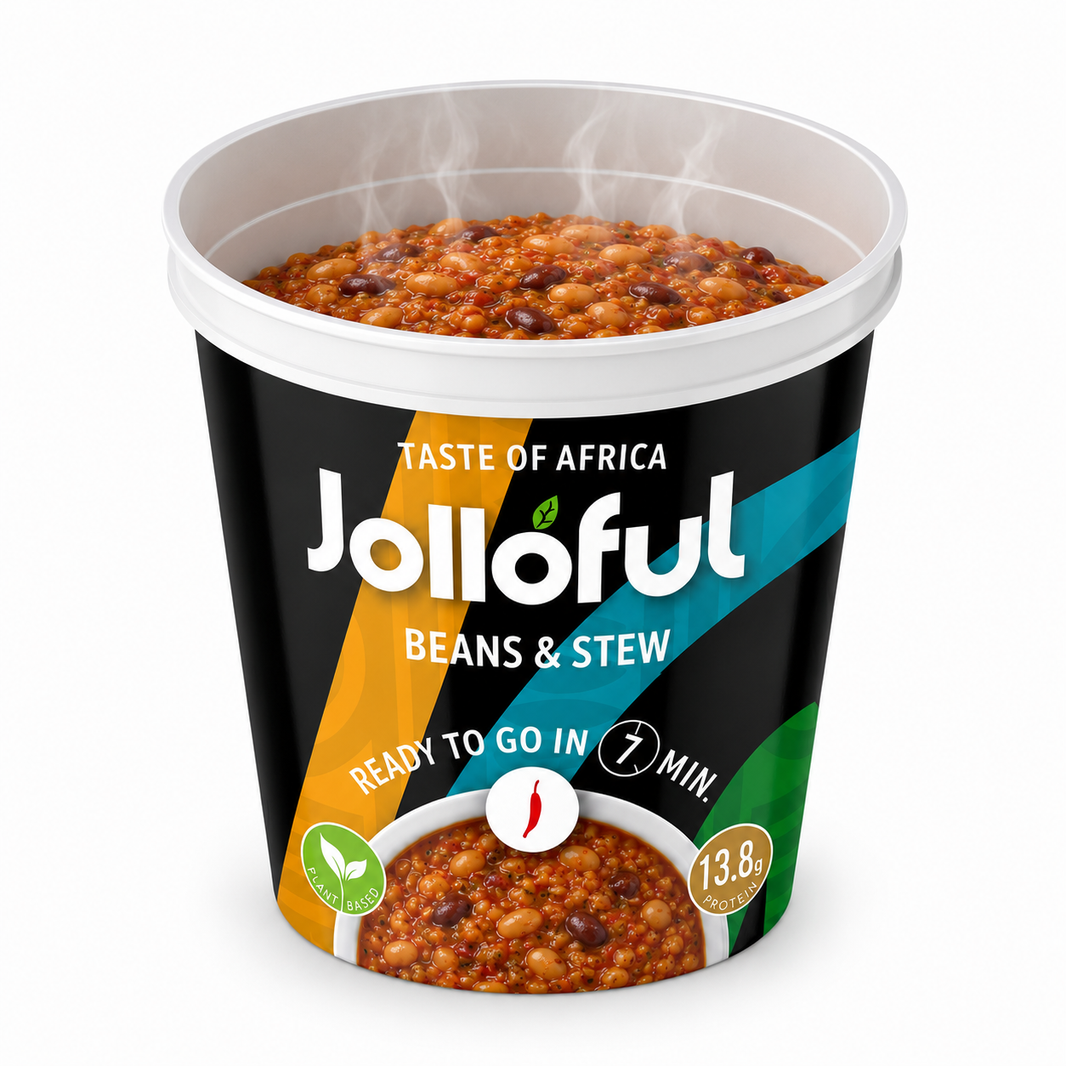

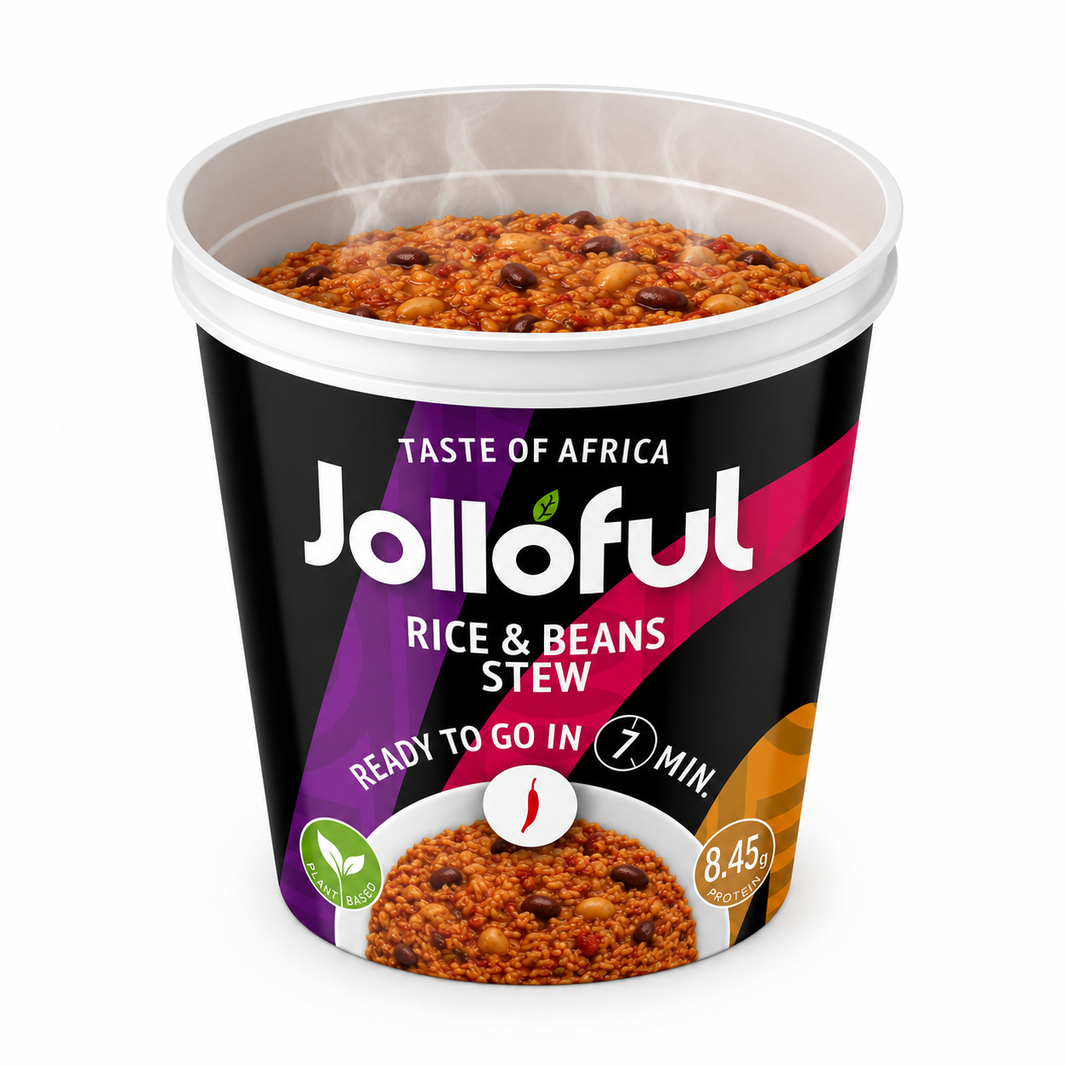


Order your 8-pack / 12 pack box today
A meal that is ready in minutes does not have to taste flat, feel flimsy or leave you hunting for snacks an hour later. So, can dehydrated meals be nutritious? Absolutely - but the answer depends on what went into the meal before the water was taken out, and what is left when you add it back.
Dehydration is a preservation method, not a nutrition verdict. It can turn real grains, pulses, vegetables, herbs and spices into a shelf-stable meal that fits a working day, a late train home or a packed kitchen cupboard. The difference is in the recipe. Real food, thoughtfully balanced, remains real food after dehydration.
Can dehydrated meals be nutritious? Yes, with the right recipe
Dehydrating food removes moisture. That is what helps it last longer without relying on added preservatives. It does not automatically strip away protein, fibre, carbohydrates or minerals. In fact, because the water is gone, some nutrients can appear more concentrated by weight.
What dehydration can affect is more delicate, heat-sensitive vitamins, particularly vitamin C and some B vitamins. The extent varies with the ingredient, temperature and drying process. That is a fair trade-off to understand, not a reason to write off every shelf-stable meal as poor nutrition.
A nutritious dehydrated meal starts with ingredients that already have something to offer. Lentils and beans bring plant protein and fibre. Whole grains provide steady energy. Vegetables contribute flavour, fibre and a range of micronutrients. Herbs, chillies, onions and spices do far more than create a bold finish - they make a meal satisfying without needing a long list of artificial extras.
The crucial question is not, “Is it dried?” It is, “What is it made from?” A packet full of refined starch, excess salt and flavouring powder will still be that after hot water is added. A recipe built around recognisable ingredients has a much stronger foundation.
What a balanced quick meal actually looks like
Convenience food earns its place when it does more than stop hunger. It should give you enough substance to carry you through the afternoon, a study session or the post-gym commute. That usually means looking for a mix of carbohydrates, protein, fibre and flavour rather than expecting one ingredient to do all the work.
Carbohydrates are not the enemy of a nutritious meal. Grains, rice and starchy vegetables provide useful energy, especially when paired with pulses and vegetables that slow digestion and add texture. Protein helps make meals more filling, while fibre supports fullness and a healthy digestive routine. Fats may be present in smaller amounts, but they matter too for flavour and satisfaction.
Portion size matters here. A lighter meal can be exactly right for a desk lunch. If you need something more substantial, pair it with a simple side: yoghurt, a boiled egg, fresh salad, fruit or leftover roasted vegetables. There is no rule saying a shelf-stable meal must carry every nutritional job on its own.
That flexibility is part of the appeal. A well-made dehydrated meal can be the reliable base, while fresh additions shift it to suit your appetite and your day.
Read the label, not the assumptions
The word “instant” has picked up a reputation for a reason. Many fast meals lean heavily on sodium, refined ingredients and vague flavour systems. But that reputation should make us better label readers, not dismiss an entire format.
When choosing dehydrated meals, check four things:
- Ingredients you recognise: Look for grains, pulses, vegetables, herbs and spices near the beginning of the list.
- Protein and fibre: These are strong signs that the meal may keep you full rather than simply provide a quick hit of starch.
- Salt per serving: Salt supports flavour and preservation, but the amount should fit sensibly within the rest of your day.
- Added sugar and additives: A short, clear ingredient list is often easier to trust than a recipe built around fillers and artificial colour.
There is nuance, of course. A higher-salt meal may be fine occasionally, especially if the rest of your day is built around fresh foods and you are not managing a medical need that requires lower sodium. Equally, a meal with a longer ingredient list is not automatically poor quality. The point is to understand the role each ingredient plays.
The best labels make that easy. They do not hide a thin recipe behind nutrition buzzwords or pretend that convenience is a substitute for proper food.
The overlooked benefit of shelf-stable food
Fresh food is brilliant, but it is not always practical. A demanding week can turn good intentions into expensive produce going soft at the back of the fridge. Having nutritious shelf-stable options on hand can reduce the temptation to skip meals or settle for whatever is closest when hunger arrives.
That matters for students, parents, frequent travellers and anyone whose schedule changes by the hour. It also matters when you want food that feels connected to your culture without spending an evening cooking from scratch.
Shelf stability can support less waste, too. You can keep a few meals ready for the days when the fridge is bare, without the pressure to use them immediately. This is not about replacing fresh cooking. It is about giving real-life routines a better fallback than bland, heavily processed convenience food.
Flavour is part of nourishment
Nutrition is not only numbers on a panel. A meal has to be enjoyable enough that you actually want to eat it. Familiar aromas, a proper hit of spice and recipes with regional character can make quick food feel like a meal, not an obligation.
African cooking has always understood how much can happen through grains, beans, vegetables, aromatics and layered seasoning. That richness translates beautifully into modern meal formats when the recipe respects the source rather than flattening it into a generic “spicy” flavour.
For diaspora households, that can mean a fast option that still tastes emotionally familiar. For people trying African food for the first time, it is a welcoming entry point: bold flavour, clear preparation and no need for specialist cooking skills. Jolloful approaches convenience with that standard in mind - authentic food culture should not be reserved for the days you have hours to cook.
When dehydrated meals are not enough on their own
Even an excellent dehydrated meal is not a magic solution. If your diet regularly lacks fresh fruit and vegetables, varied protein sources or enough overall energy, no pantry meal can solve that by itself. People with allergies, coeliac disease, high blood pressure or specific nutritional requirements should check labels carefully and choose according to their needs.
It is also worth being honest about routine. Eating one quick meal during a hectic week is very different from relying on packaged food for every meal. Variety remains valuable. Fresh, frozen, tinned and dried foods can all belong in a nourishing kitchen.
Think of dehydrated meals as a useful format, not a lesser category of food. Their job is to make a good meal possible when time, energy and cupboard space are limited.
A better question than whether dried food can be nutritious is whether it respects your appetite, your time and the ingredients it uses. When it does, hot water becomes more than a shortcut. It becomes dinner with substance, flavour and a story worth bringing to the table.


Hinterlasse einen Kommentar