




Order your 8-pack / 12 pack box today
The 6pm question is rarely just “What are we having for dinner?” It is also about time, energy, appetites, shopping, washing up and whether everyone can eat before the evening disappears. This guide to convenient family meals is for households that want a faster answer without settling for bland, overprocessed food.
Convenience should not mean food with no story, no flavour or no standards. A practical family meal can still be warming, colourful and rooted in the flavours people actually look forward to. The goal is not to cook an elaborate feast every night. It is to make real food easier to put on the table.
Start with a better definition of convenience
Convenient family meals are not only about the shortest possible cooking time. They are meals that reduce the total effort of feeding people: fewer decisions, fewer last-minute shop runs, less preparation and less waste. A meal that takes 15 minutes but needs five fresh ingredients you do not have is not always more convenient than a shelf-stable option ready in seven.
For many families, the best approach is a mix. Cook from scratch when you have the time and want the ritual. Keep smart shortcuts for school nights, late work calls, travel days and those evenings when the fridge looks optimistic but empty.
That means choosing foods with a useful shelf life, clear ingredients and enough flavour to stand on their own. It also means dropping the idea that a quick dinner has to imitate the same beige, forgettable convenience food found everywhere else.
Build a family food rhythm, not a rigid meal plan
A seven-day plan with a different recipe every night can look impressive on paper. In real homes, it can become another task to manage. Instead, create a loose rhythm that gives you options without locking you into a schedule.
Think of your week in three categories: meals you cook in batches, meals you assemble quickly and meals you can make with hot water or minimal heating. The first category might cover a relaxed weekend dinner and leftovers. The second handles nights when you can combine a protein, vegetables and a flavourful base. The third is your safety net.
A safety net matters more than most meal plans admit. It prevents expensive delivery orders, skipped dinners and the familiar moment when somebody starts snacking while everyone waits for a meal to appear. Keep those backup meals visible, not hidden at the back of a cupboard behind tins you forgot you owned.
Choose flexible foundations
The easiest family meals begin with components that work in more than one way. A boldly seasoned grain or stew-style meal can be served as it is, paired with grilled chicken, topped with a fried egg or rounded out with chopped vegetables. One foundation, several ways to make it feel like a proper meal.
This is especially useful when family members want different things. Rather than preparing separate dinners, put simple additions on the table and let everyone build their own plate. Children may prefer a milder side and familiar protein, while adults can add extra chilli, herbs or crunchy toppings. You are accommodating preferences without becoming a short-order cook.
Keep flavour doing the heavy lifting
A quick meal earns its place when it tastes intentional. Salt alone cannot do that. Depth comes from spices, aromatics, slow-cooked flavour profiles and ingredients that bring heat, savouriness and richness without asking you to spend an hour at the hob.
African food offers plenty of inspiration here. Across the continent, dishes make generous use of peppers, tomatoes, legumes, grains, warming spices and layered seasoning. These are flavours with presence. They turn a small portion into something satisfying and make a simple supper feel far more generous than its preparation time suggests.
For parents introducing new flavours, the answer is not always to make every meal mild. Serve a small portion alongside something familiar and let curiosity lead. Heat can be adjusted, but flavour should not be erased. Families build broader palates through repetition, not pressure.
Read the pack, not just the front label
The convenience aisle is full of dramatic claims. Look beyond them. Check whether a product has recognisable ingredients, whether artificial colours or added preservatives are doing the work, and whether it offers enough substance to become a meal rather than a snack that leaves everyone hungry an hour later.
Shelf-stable food is not automatically inferior. It can be a practical, low-waste part of a well-stocked kitchen, particularly when it is made with care. The trade-off is worth considering: fresh cooking gives you maximum control, while well-made ambient meals give you reliability. A good household uses both according to the day in front of it.
Make five minutes count
A fast base becomes a family meal when you add one or two thoughtful extras. You do not need a complicated recipe. While the kettle boils, slice cucumber, warm leftover vegetables or put fruit on the table. If you have time, add a protein. If you do not, serve the meal as it is and move on with your evening.
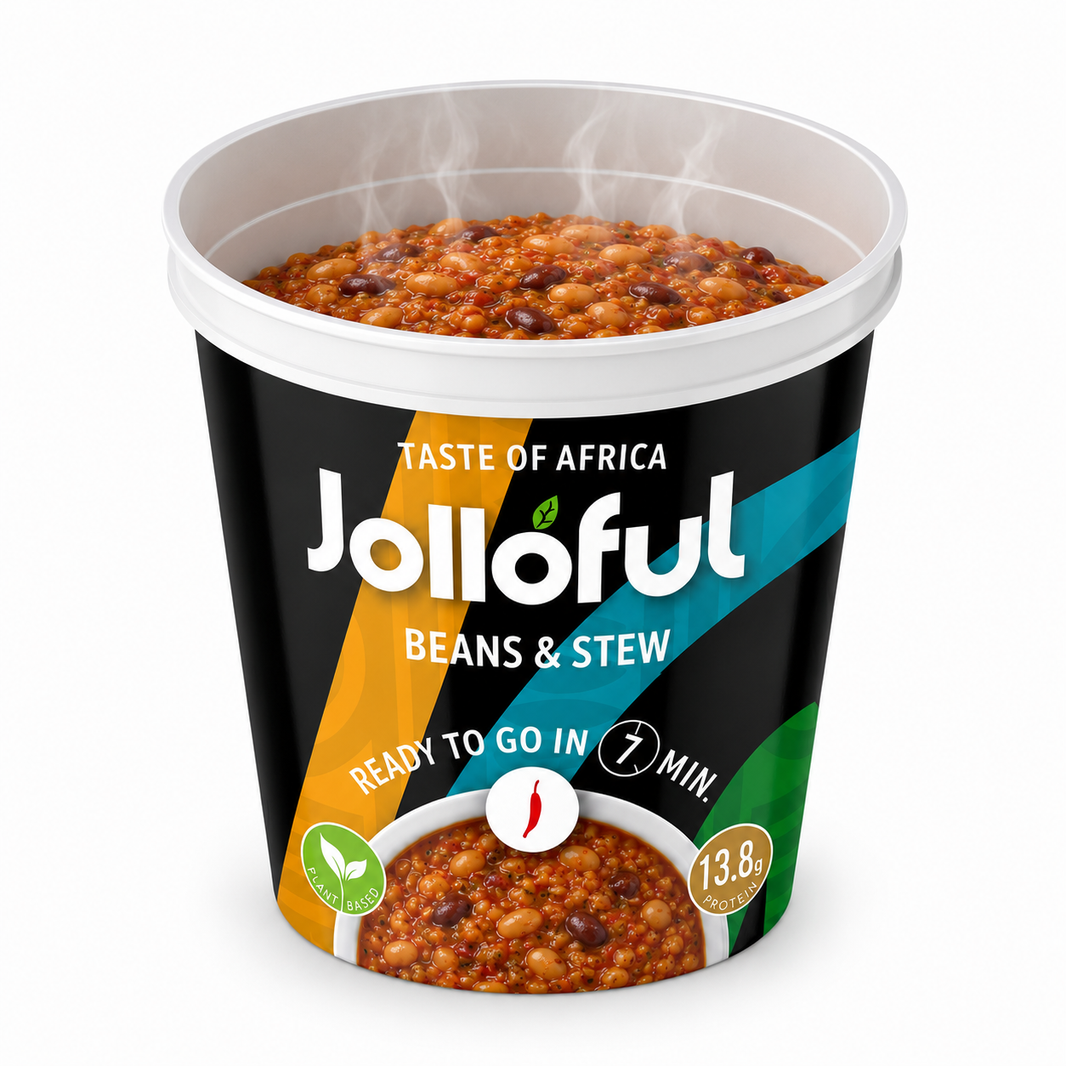
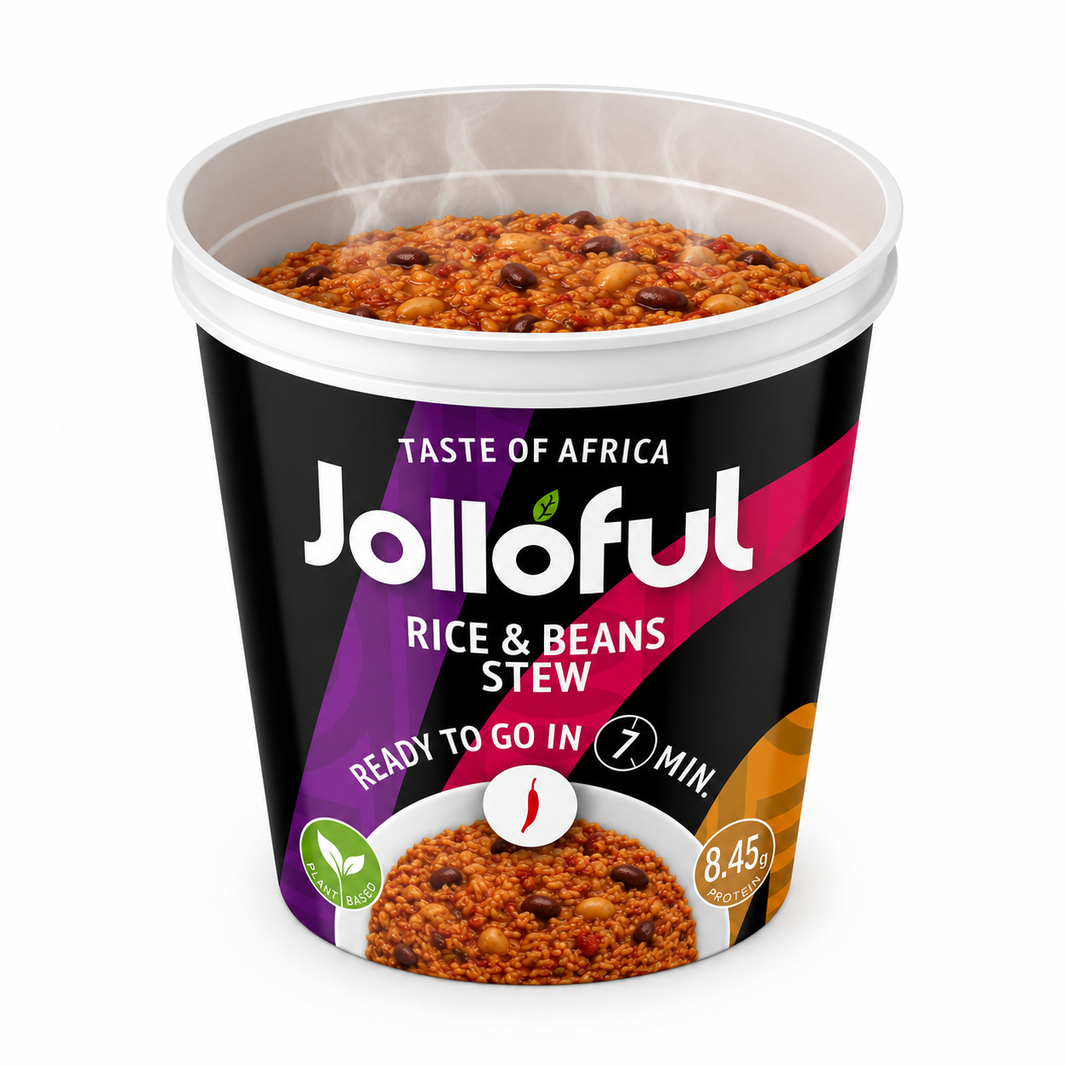
Jolloful’s West African meal cups are designed for exactly this kind of moment: authentic, shelf-stable meals ready with hot water in five to seven minutes. They bring bold African flavour to busy kitchens without asking you to compromise on real ingredients or cultural character.
Portioning also helps. Younger children may share one serving with fruit or yoghurt on the side, while teenagers and hungrier adults may need a larger plate with added protein. There is no single “correct” family portion. Build around appetite, activity and what the meal includes.
Shop for the evenings you actually have
Shopping for an idealised week is one of the quickest ways to waste food. Shop for your real diary instead. If Tuesday includes football practice and Thursday has a late meeting, those are not the nights to rely on a recipe requiring chopping, simmering and perfect timing.
Keep a small core of dependable foods at home: flavourful shelf-stable meals, frozen vegetables, eggs, canned beans, yoghurt, fresh fruit and a few proteins you can prepare quickly. This is not about stocking a survival bunker. It is about creating enough choice that convenience does not become an emergency.
It also helps to put dates to work. Use fresh ingredients first, move frozen foods into the middle of the week, then rely on cupboard staples when plans change. This simple order cuts waste and takes some pressure off the daily decision.
Let dinner be easy without making it joyless
The best convenient family meals do more than fill a gap. They create a small pause in a busy day: a bowl that smells inviting, a flavour worth talking about, a chance to share food that reflects where you come from or where you are curious to go.
Some nights, a home-cooked dish will be the point. On others, the win is getting everyone fed quickly with food that still has character. Keep both options close, and let your kitchen work for your family rather than demanding more from it.


Hinterlasse einen Kommentar