

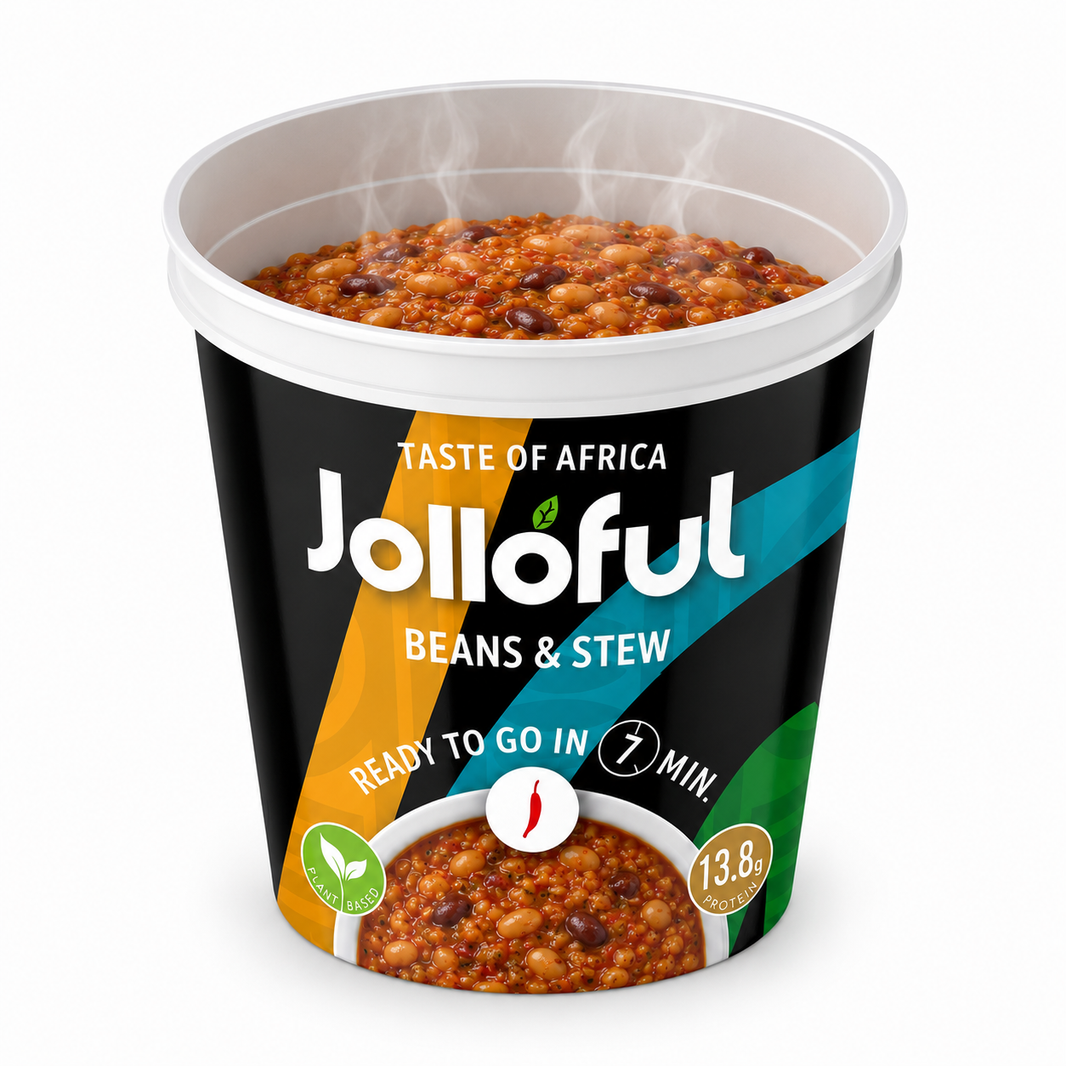

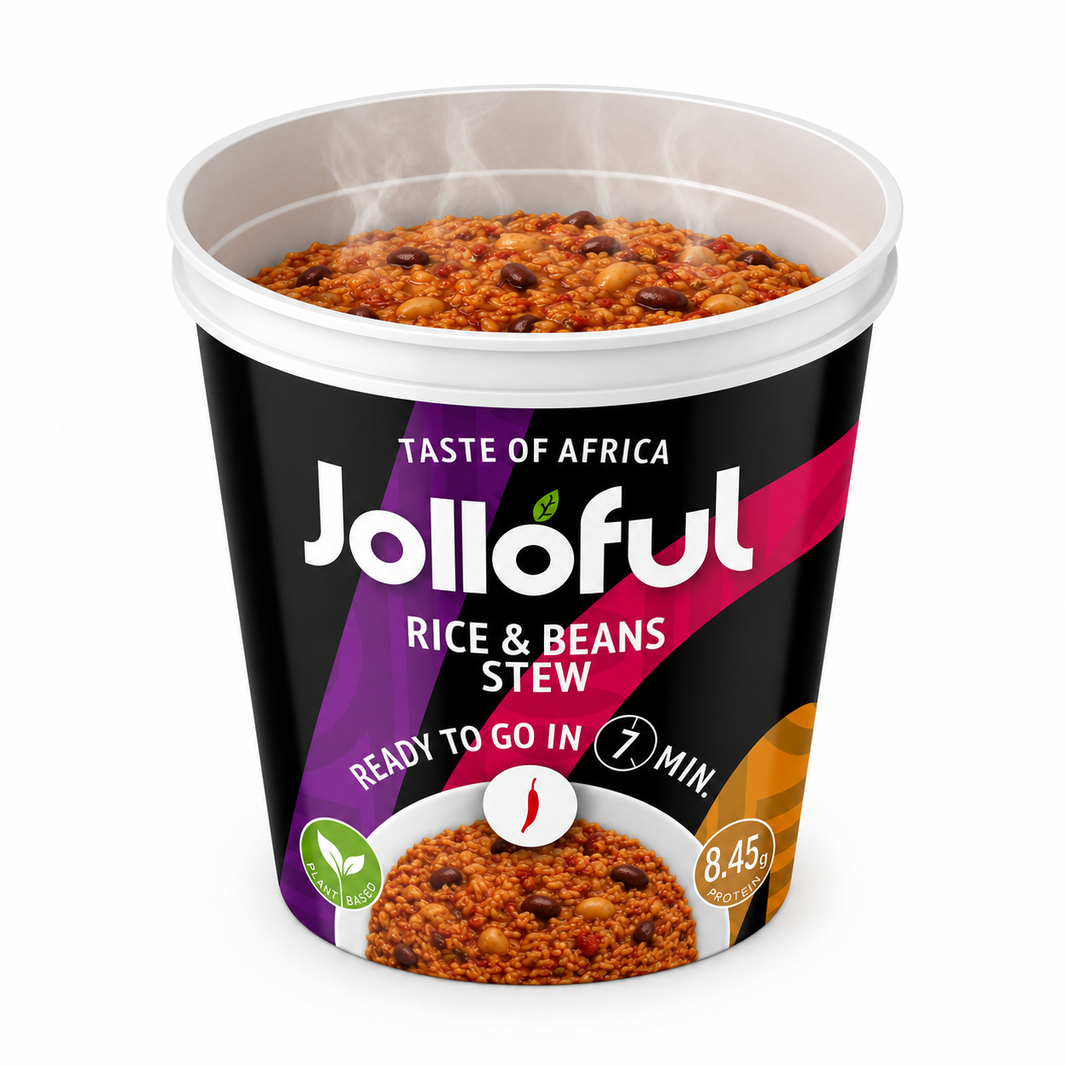


Order your 8-pack / 12 pack box today
A good guide to premium instant food starts with a simple truth: fast food should not have to taste flat, feel anonymous or leave you hunting for a snack an hour later. When the day is packed and cooking from scratch is not happening, you still deserve a meal with proper flavour, recognisable ingredients and a point of view.
Premium instant food is not about making convenience look fancy. It is about raising the standard. Think shelf-stable meals that are ready in minutes, but built around real recipes, confident seasoning and ingredients you can actually understand. The best options make a busy lunch, late train home or office cupboard feel less like a compromise.
What makes instant food premium?
The word premium gets used freely on packaging, so it helps to know what to look for. Price can be one clue, but it is never the whole story. A genuinely better instant meal earns its place through flavour, ingredients, preparation and the care behind the recipe.
Start with the ingredient list. It should read like food, not a chemistry lesson. Dried vegetables, grains, pulses, herbs, spices and familiar pantry ingredients are all good signs. A short list is not automatically better, but clarity matters. If a meal relies on artificial colour, added preservatives or vague flavouring language to do the heavy lifting, it is unlikely to deliver the depth promised on the front of the pack.
Then there is flavour. Premium does not mean bland, timid or designed to please absolutely everyone. It means the seasoning tastes deliberate. There may be warmth, chilli, savoury depth, tang, smoke or aromatic spice, but it should feel balanced rather than aggressively salty. A meal can be quick without tasting as though it was designed in a laboratory.
Finally, consider whether the recipe has a real culinary reference point. The strongest products do not borrow a few fashionable ingredients and call it global cuisine. They respect the dishes, regions and food traditions that inspired them. That makes a difference you can taste.
A guide to premium instant food for real life
The right choice depends on when and how you eat. A desk lunch has different needs from a post-gym supper, and a family cupboard needs more range than a single emergency meal tucked in a work bag.
For workdays, prioritise something that is genuinely straightforward to make. Hot water, a short wait and minimal washing up can turn a rushed break into an actual meal. Check whether the pack is designed to stand on its own or whether you need a bowl, microwave or extra cookware. Convenience should reduce friction, not create a new set of instructions.
For home, look for meals that can be enjoyed as they are but also welcome a small upgrade. A spoonful of yoghurt, fresh herbs, chopped vegetables, an egg or leftover roast chicken can make a quick meal feel more substantial. The key is that the base should already be delicious. Additions should be optional, not a rescue mission.
For travelling, long working days or the office drawer, shelf stability matters. A well-made ambient meal can wait patiently until you need it, without taking up precious fridge space. That makes it useful for anyone who wants a better fallback than biscuits, crisps or another expensive last-minute takeaway.
Read beyond the front of the pack
Beautiful packaging can catch your eye, but the details on the back tell you whether the meal belongs in your regular rotation. Take a moment to check portion size, preparation time and nutrition alongside the ingredients.
Protein and fibre are worth considering, especially if this is meant to be lunch or supper rather than a small snack. A meal based on pulses, grains or vegetables may offer more staying power than one that is mostly refined starch. That said, not every meal needs to carry every nutritional role. A lighter option can be exactly right when paired with a side salad, fruit or something fresh from the fridge.
Salt deserves a sensible look too. Instant food often uses salt to preserve flavour and create impact quickly. That does not make it automatically poor quality, but a premium choice should have flavour beyond salt. Spice, herbs, aromatics and thoughtfully chosen ingredients should all be doing their share.
Also pay attention to the preparation promise. Five to seven minutes can be genuinely useful. But if the result needs careful stirring, multiple packets or an extended standing time to become edible, factor that into your decision. The best convenience feels easy on an ordinary Wednesday, not just in a product demonstration.
Cultural credibility matters
Food is never just fuel. For many people, a familiar flavour can bring comfort after a long day, remind them of family cooking or make a faraway place feel closer. For others, a culturally rooted instant meal is an accessible first taste of a cuisine they want to know better.
That is why authenticity should not be treated as a decorative marketing word. It means recipes are made with care, flavours are allowed to be specific, and the people behind the food understand the traditions they represent. It also means avoiding the watered-down idea that African food is one single flavour profile. The continent holds extraordinary culinary range, from rich stews and peppery sauces to bright spice blends, grains, beans and deeply layered savoury dishes.
A premium pantry should make room for that range. It should not ask you to choose between speed and cultural richness. Brands such as Jolloful are helping make West African-inspired meals more available for people who want proper flavour without spending an evening over the hob.
Premium does not mean perfect for every meal
There are trade-offs, and being honest about them helps you buy better. Shelf-stable meals cannot replicate every texture of a dish made slowly from fresh ingredients. Some may be more expensive per serving than basic supermarket convenience food. If you are feeding a large household every night, cooking bigger batches from scratch will often be the more economical route.
But that is not the comparison that matters most. Premium instant food earns its place when the realistic alternative is skipping lunch, ordering a forgettable takeaway, or eating something that leaves you underwhelmed. It is a practical tool for modern life, not a replacement for every kind of cooking.
The value is especially clear when you keep a small, intentional selection at home. Choose a few flavours you genuinely enjoy, vary the heat level if that matters to you, and keep fresh extras nearby when possible. This turns convenience into a plan rather than a last resort.
How to build a better instant-food cupboard
Start small. Buy a few different meals rather than filling a shelf with one flavour you have not tried. Notice what you reach for: something warming at lunch, a bolder option after work, or a mild base you can personalise. Your cupboard should suit your routine, not an idealised version of it.
Store your favourites where you will see them. A quality meal hidden behind tins you never use is not much help when hunger arrives at 2pm. Keep one at work, one in your bag if practical, and a few at home for the evenings when the fridge is looking sparse.
Pair smartly when you have time. Fresh cucumber, tomatoes, leafy greens, avocado, yoghurt, fruit or a simple side of vegetables can add contrast and freshness. If you have less than ten minutes, eat the meal exactly as intended and enjoy the fact that a proper flavourful option was ready when you needed it.
The standard is higher now
Convenience food used to ask for low expectations: cheap, filling, fast and forgettable. That is no longer good enough. People want meals that fit into packed schedules while still reflecting how they want to eat - with curiosity, care and flavour.
Choose instant food that respects your time and your taste buds. Keep options that feel generous, not generic, and let a quick meal be one of the easiest good decisions you make all week.


Hinterlasse einen Kommentar