

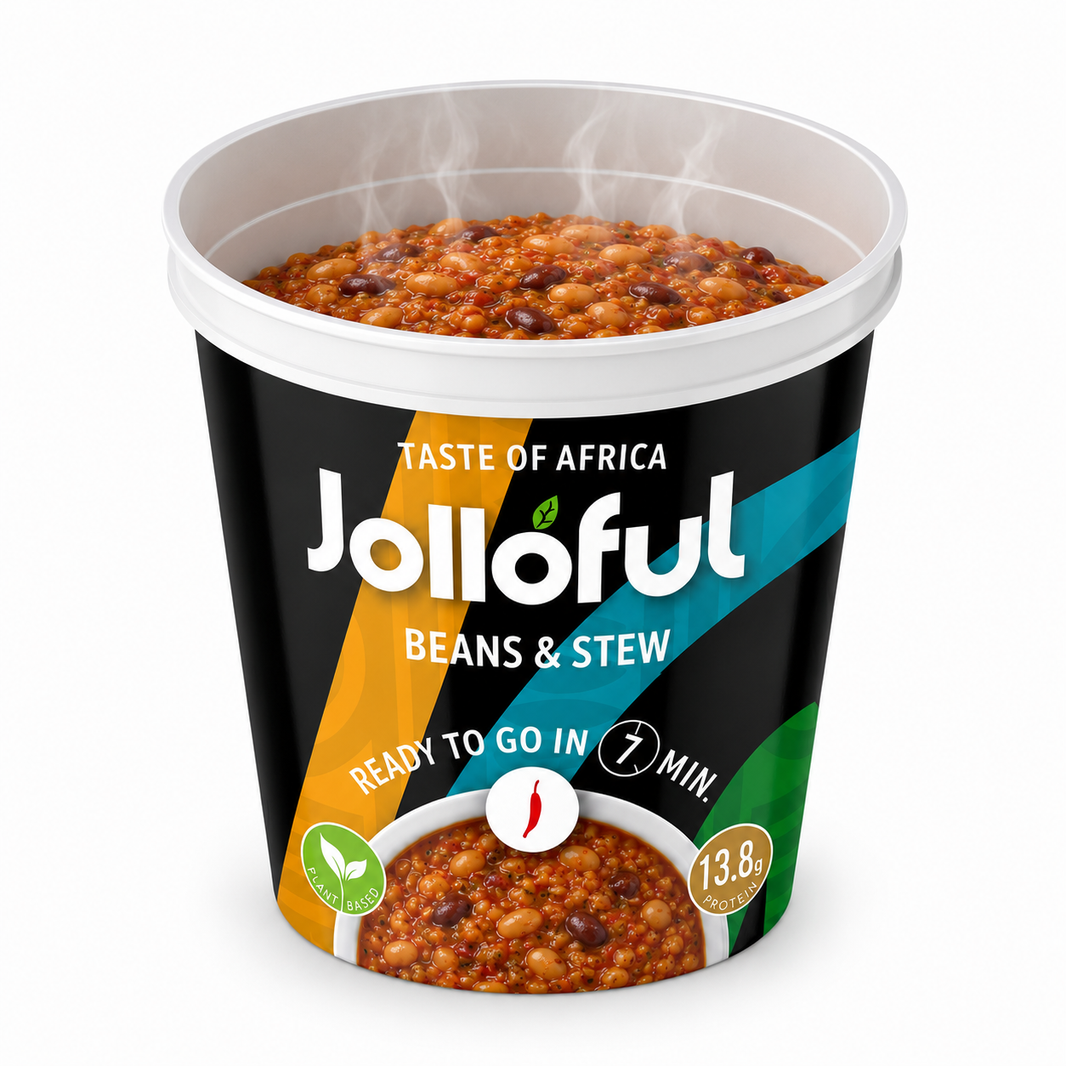

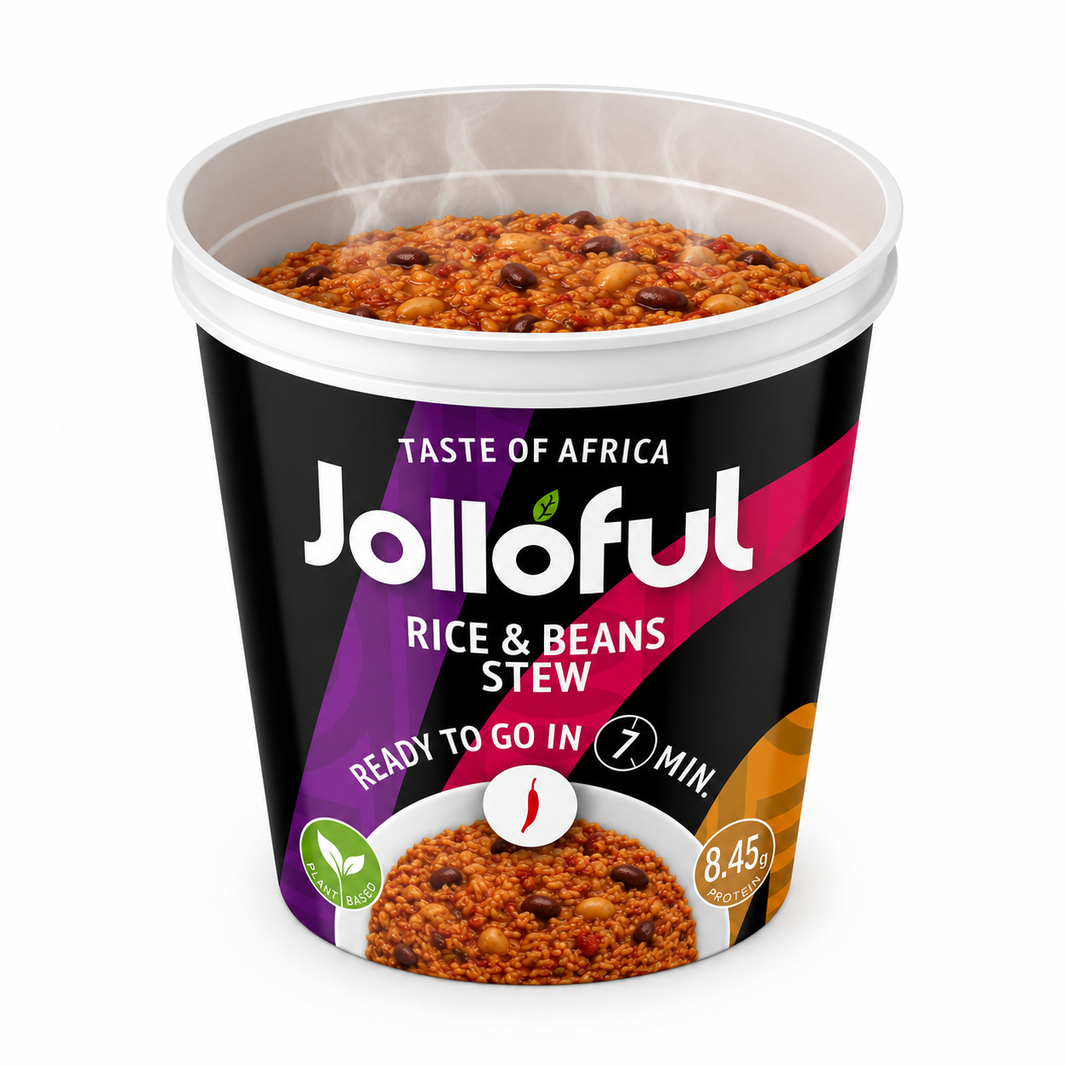


Order your 8-pack / 12 pack box today
A meal that lives happily in your cupboard can feel suspicious when you are used to hearing that fresh means better. So, are preservatives necessary to make convenient food safe, tasty and long-lasting? Not always. Shelf life can come from several smart food-making choices, and added preservatives are only one of them.
That matters if you want food that fits a packed week without settling for the bland, overly processed shortcut. Convenience should mean less time cooking when you are busy - not less flavour, less culture or a label full of ingredients you cannot recognise.
Are preservatives necessary for shelf-stable meals?
The honest answer is: it depends on the food, the format and the desired shelf life.
Preservatives are ingredients used to slow spoilage, usually by limiting the growth of mould, yeast or bacteria, or by preventing fats from turning rancid. They can play a useful role in some foods, especially products with more moisture that need to stay stable for a long time after opening.
But a shelf-stable meal does not automatically need added preservatives. Foods can be kept safe through techniques people have relied on for generations: removing water, applying heat, managing acidity, adding salt or sugar where appropriate, and protecting the product from air and moisture. Modern packaging makes those methods even more effective.
The point is not that every preservative is bad, or that every preservative-free product is automatically better. The better question is whether an ingredient has a clear purpose and whether the whole product delivers the quality you expect.
Preservation is a process, not one ingredient
Food spoils when microbes have the conditions they need to grow: moisture, warmth, oxygen and time. Take away enough of those conditions and food can last far longer without relying on a long list of additives.
For dry meal formats, water activity is a major part of the story. Drying ingredients carefully means there is too little available water for most spoilage organisms to grow. That is why dried grains, pulses, spices and vegetables can be stored safely for extended periods when handled and packed correctly.
Packaging matters just as much. A well-sealed pouch or pot protects food from moisture in the air, oxygen and contaminants. It also helps preserve aroma. That last part is not a small detail: the warming spice, savoury depth and chilli kick that make West African food memorable can fade when packaging does not do its job.
Then there is heat. Some products are heat-treated before sealing, while others are designed to be rehydrated with boiling water at home. Each route has different food-safety requirements, but both show that long life is not the same thing as simply adding preservatives.
What “no added preservatives” does and does not mean
“No added preservatives” is a clear and useful claim, but it should not be treated as a magic phrase. It means a product has not had preservative ingredients added for that purpose. It does not mean the food has no shelf life, no processing or no safety controls.
In fact, shelf-stable foods have usually been processed in some way. Drying, cooking, milling, freezing, pasteurising and sealing are all forms of processing. The question is whether that processing respects the ingredients and the finished meal.
A clean label is most meaningful when it comes with clarity. Can you see what is in the food? Do the ingredients make culinary sense? Is the product stored and prepared in a way that protects quality? Those are stronger signals than judging a meal by the number of days it can sit in a cupboard alone.
For a busy professional getting home late, a student between lectures or a parent facing another full evening, shelf-stable food can be a genuine advantage. It reduces waste, waits patiently in the pantry and is ready when fresh shopping plans fall apart. That convenience can be thoughtful, not second-rate.
The trade-off: freshness, flavour and storage
Every preservation method involves trade-offs. Fresh food can offer a particular texture and brightness, but it also has a shorter window before it needs to be eaten. Frozen food can hold ingredients well, but it needs freezer space and reliable storage. Chilled products are convenient, but often have shorter use-by dates and need a cold chain from shop to fridge.
Shelf-stable dry meals trade some of that fresh-from-the-market texture for portability, flexibility and less food waste. The best versions work hard to keep flavour intact, using ingredients with real character rather than trying to cover everything with salt, artificial colour or a generic seasoning blend.
This is especially relevant for African food. The cuisine deserves better than being treated as an occasional novelty or flattened into a one-note “spicy” category. Proper flavour has layers: toasted aromatics, savoury depth, herbs, heat and texture. A fast meal can still carry that character when it is designed with care.
That is the standard worth looking for. Not food that merely lasts, but food worth eating when it is finally your turn to sit down.
When preservatives may make sense
It is possible to care about clean labels without pretending preservatives never have a place. Some foods, particularly soft baked goods, sauces, chilled dips and products repeatedly exposed to air after opening, can be more vulnerable to spoilage. A preservative may help prevent waste and improve safety in those cases.
Natural-sounding alternatives are not automatically better either. Some ingredients used for preservation come from familiar sources, while others have scientific names that sound intimidating. What matters is the function, the amount used, the safety assessment and the overall quality of the product.
If you have an allergy, sensitivity or a medical reason to avoid a particular ingredient, reading the label is essential. For everyone else, a practical approach works well: choose foods with ingredient lists you understand, storage instructions you can realistically follow and flavours you actually look forward to eating.
How to choose better convenient meals
Start with the food itself. Look for recognisable staples, vegetables, herbs, spices and proteins that sound like they belong in the dish. Be alert to meals that rely heavily on artificial colours or vague flavouring language but offer little substance.
Next, check how the product is preserved. A dry format with sealed packaging and simple preparation instructions may need no added preservatives at all. If a product contains preservatives, do not panic - ask what role they play and whether the meal still aligns with what you want from your food.
Finally, think about your real routine. The perfect meal is not always the one that requires a full hour and a fridge full of ingredients. Sometimes it is the deeply flavoured option that is ready in minutes, keeps well in the cupboard and gives you something far more satisfying than another forgettable desk lunch.
Jolloful was built around that idea: real African-inspired flavour for modern schedules, with no added preservatives and no artificial colour. Food can be fast without becoming anonymous.
A well-stocked cupboard is not a compromise. It is a quiet kind of freedom: one less rushed shop, one less dull meal, and more room for food that tastes like it has something to say.


Leave a comment