

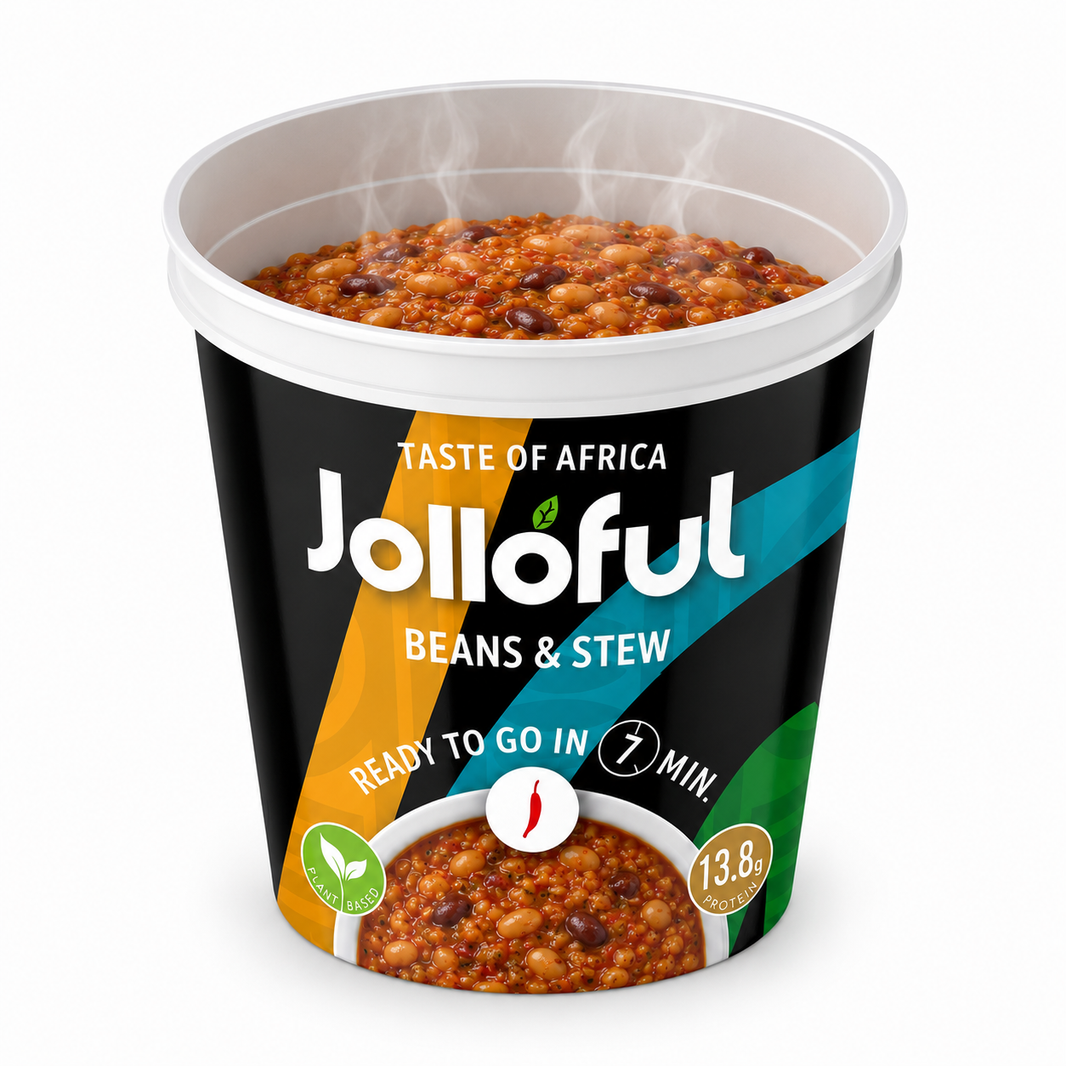

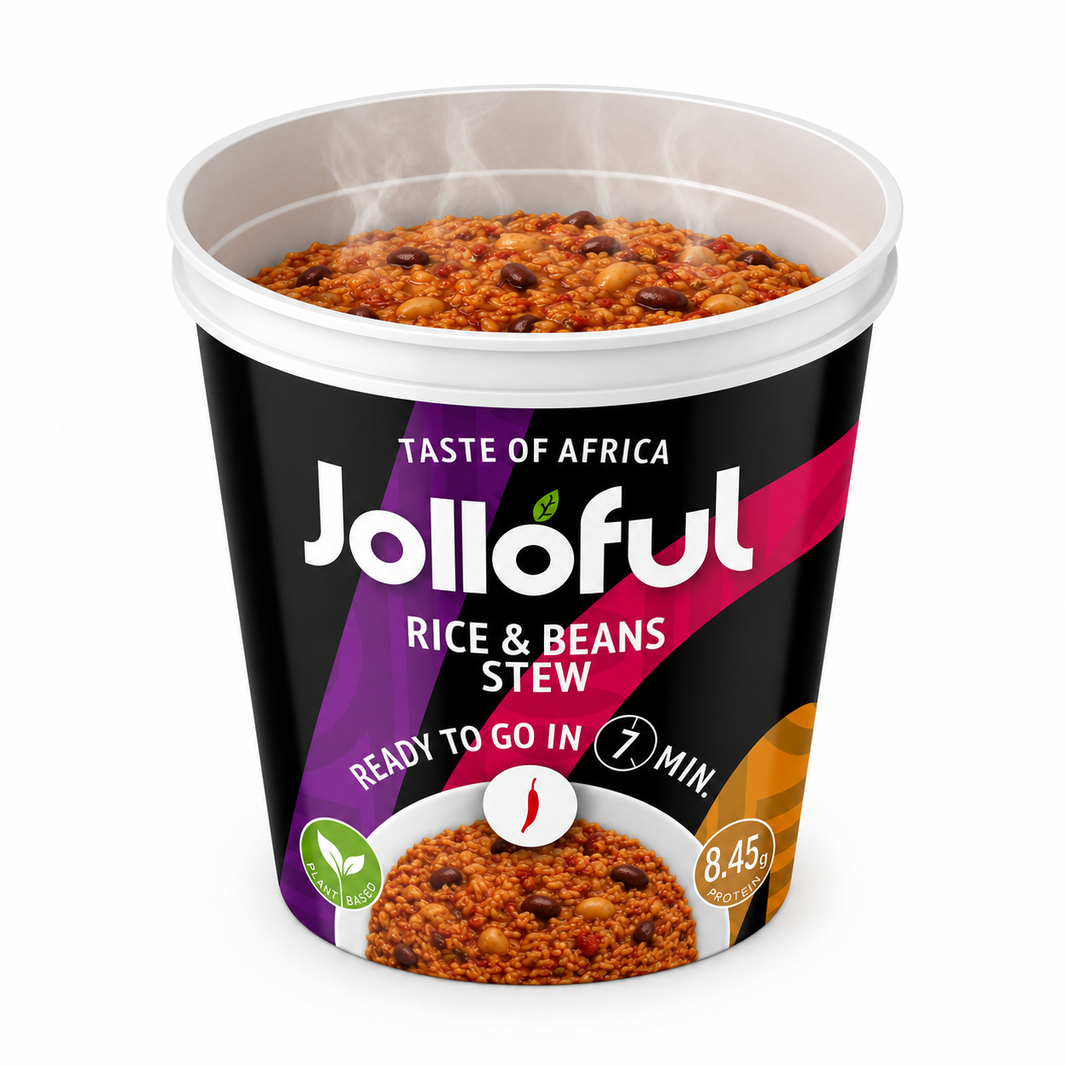


Order your 8-pack / 12 pack box today
A delayed train, a long coach ride or a late check-in can turn hunger into a bad mood fast. When you pack shelf stable travel meals, you give yourself a proper option before the only choice becomes a sad sandwich, overpriced crisps or another bland snack bar.
The goal is not to bring your entire kitchen with you. It is to pack food that earns its space: filling, easy to prepare, built for the journey and full of flavour. Real Food. Rooted in Culture. That standard should not disappear the moment you zip up your bag.
Why shelf-stable meals belong in your travel bag
Shelf-stable food solves a problem fresh food cannot always solve. You do not need to rush through it before it spoils, find room in a hotel minibar or gamble on whether a station shop will have anything worth eating. It stays ready until you are.
That matters on work trips, university journeys, festivals, family visits and weekends away. It also matters when travelling with children, managing a packed schedule or arriving somewhere after restaurants have closed. A meal you have chosen in advance gives you more control over your day.
But shelf stable should not mean flavour-free. Too much travel food is designed to be merely convenient: soft, salty and forgettable. Better choices bring satisfying texture, ingredients you recognise and spices with actual character. African flavours do not need a special occasion or a restaurant booking. They travel brilliantly.
How to pack shelf stable travel meals without overpacking
Start with the reality of your trip. A six-hour rail journey needs less food than a three-day work stay. If you will have reliable access to a kettle, hot water meals are a strong choice. If you will not, prioritise foods that are genuinely good at room temperature and do not depend on heating.
Think in meal moments rather than throwing random snacks into your bag. You may need breakfast before an early departure, a filling lunch between meetings and something comforting when you reach your room. Planning those moments prevents the familiar pattern of buying whatever is nearest when you are tired.
Pack one or two satisfying meal options, then add a few supporting items. A piece of fruit that travels well, nuts, oat bars or crackers can bridge the gap between meals. Keep the balance sensible: snacks are useful, but they are not always a substitute for lunch.
Choose packaging that can handle movement. Flexible pouches and sealed pots are often easier to fit around clothes than bulky containers. Keep food together in a separate packing cube or reusable bag, especially if you are carrying spices, sauces or anything that could leak. The best travel meal is no help if it ends up coating your charger.
Check your access to hot water first
Many shelf-stable meals are designed for quick preparation with hot water. That can be ideal in a hotel room, office kitchen, hostel or at a service station, but it is worth checking before you leave. A kettle in your room is common, not guaranteed. Some trains offer hot water, but policies and availability vary.
If your plan depends on hot water, pack a sturdy spoon and make sure the meal container is suitable for preparation. A small reusable travel mug with a lid can also be useful where you need to carry your meal from a shared kitchen back to your room.
For flights, be more selective. Airport security rules can treat soups, sauces and wet foods differently, particularly in hand luggage. Dry snacks are usually simpler, while sealed meals may be better placed in checked baggage where appropriate. Always check the current rules for your departure airport and destination, particularly for international travel.
Choose meals that feel like a meal
A travel meal should carry you through the next part of the day, not leave you looking for biscuits 30 minutes later. Look for a balance of grains, pulses or other satisfying plant-based ingredients, plus seasoning that makes the meal feel complete.
Portion size matters too. A tiny pot may be fine as a mid-afternoon bite, but it will not always cover dinner after a day of walking, working or connecting between trains. If you have a big appetite or know the day will run long, bring two portions or pair your meal with fruit and a protein-rich snack.
Ingredient transparency is another useful filter. You should be able to understand what you are packing and feel good about eating it repeatedly. Long shelf life does not require artificial colours or added preservatives. Modern convenience can still be made with care.
Jolloful makes this easier with shelf-stable West African meal cups that prepare in minutes with hot water. They are made for the days when you need speed, but still want depth, warmth and food with a point of view.
Pack for the journey, not just the destination
Your destination may have cafés, colleagues with recommendations and a well-stocked supermarket nearby. The journey is where plans get messy. Delays happen. Meeting times shift. A quick stop becomes your only stop.
Keep your first meal within easy reach, not buried beneath shoes at the bottom of your case. In a backpack, that usually means the top pocket or the section behind your water bottle. In a suitcase, place it in an outer compartment or move it to your day bag before setting off.
It also helps to pack food with different levels of effort. One option might need nothing but opening the packet. Another can be a hot meal for when you have ten quiet minutes and access to a kettle. That flexibility is what makes your food plan useful rather than optimistic.
If you are travelling as a group, avoid assuming everyone wants the same thing. Pack individual portions where possible. It reduces mess, avoids arguments over the last snack and means each person can eat when they are ready.
A smarter approach to work trips and weekends away
Work travel often creates a strange eating pattern: coffee too early, a rushed lunch too late, then a heavy dinner because you are starving. Keeping a shelf-stable meal in your bag gives you a reset button. You can eat before the client meeting, after landing or while finishing emails in your room.
For weekends away, the value is slightly different. You may want to spend your money on a great meal out, not breakfast and lunch every day. Bringing a few quality staples leaves more room in the budget for the food experiences you actually came for.
This is also a thoughtful way to travel if you have specific dietary preferences or simply know that unfamiliar places can be hit-or-miss. You are not refusing local food. You are making sure you have a dependable option when timing, choice or energy is not on your side.
Small details that make travel meals better
Do not forget the practical extras. A spoon is essential for most ready meals, and a napkin is worth its tiny footprint. If you pack something spicy, keep water nearby. Spices should wake up your meal, not catch you unprepared halfway through a platform change.
Pay attention to expiry dates before each trip, especially if you keep an emergency stash in a work bag. Rotate older items into your home cupboard and replace them with fresh stock. Shelf stability gives you breathing room, not a reason to ignore what is in the packet.
Finally, pack food you actually look forward to eating. The best travel meal is not the one with the most impressive label or the longest ingredient list. It is the one that makes a delayed connection feel manageable, gives you a proper pause in a packed day and reminds you that convenience can still have flavour, culture and standards.


Leave a comment