



At 7pm, a cupboard full of tins is not the same as dinner. The difference is a plan: a few reliable building blocks, flavours with character, and meals you genuinely want to eat. This guide to pantry meal planning is for making fast food feel like real food - warm, filling and full of life, even when the fridge is looking sparse.
Start with meals, not a pile of groceries
A well-stocked pantry should not become a museum of good intentions. Buying ingredients because they sound useful often leads to half-used jars, forgotten packets and the same beige dinner on repeat. Instead, think in meal combinations. What can become a satisfying bowl, a quick tray bake, a soup, or a properly flavourful lunch in ten minutes?
The strongest pantry plans have range without excess. You do not need fifteen sauces or a cupboard organised like a shop aisle. You need ingredients that work together across several meals, plus enough bold flavour to stop convenience becoming bland.
Begin with five jobs your cupboard needs to do:
- Create a filling base, such as rice, couscous, noodles, oats or grains.
- Add plant-powered substance with beans, lentils or chickpeas.
- Bring depth through tomatoes, stock, coconut milk or passata.
- Add heat and personality with spices, chilli, herbs, ginger or seasoning blends.
- Save a busy day with shelf-stable meals that need only hot water and a few minutes.
Build your pantry meal planning foundation
Think of your pantry in layers. The base gives you energy, the protein makes a meal last, the flavour layer makes it worth sitting down for. A jar of beans and a packet of grains can go in dozens of directions, but only if your cupboard also holds ingredients that bring acidity, spice and richness.
For everyday cooking, keep two or three bases you enjoy rather than collecting every option. Long-grain rice may be your weeknight staple, while couscous handles the lunches that need to happen quickly. Pasta works brilliantly too, particularly with beans, tomatoes and punchy spices. If you prefer lower-prep options, ready grains can earn their place, though they usually cost more per serving than dried staples.
Next, choose proteins with different textures. Chickpeas are excellent for roasting or tossing into tomato-based dishes. Lentils make soups and sauces feel substantial. Butter beans bring creaminess without much effort. Tinned fish can turn a simple grain bowl into a more filling meal, if that suits your household. There is no universal perfect list - plan around what you will actually reach for.
Then give flavour the shelf space it deserves. Tomato purée, tinned chopped tomatoes, coconut milk, chilli, onions, garlic, dried herbs, curry powder, smoked paprika and stock are all useful, but your personal favourites matter more than any standard checklist. If your food has roots in African, Caribbean, South Asian or Mediterranean cooking, make room for the seasonings and sauces that taste like home. Pantry planning should support your culture and cravings, not flatten them into generic “healthy meals”.
Choose a simple rhythm for the week
The most useful plan is rarely the most detailed one. Assigning a different recipe to every evening can feel organised on Sunday and exhausting by Wednesday. A better approach is to map out a few meal types, then decide the exact dish according to your time, appetite and what fresh ingredients need using first.
Aim for two cooked pantry-led dinners, one quick backup dinner, and one flexible meal built from leftovers. Add fresh produce where it makes a difference: spinach, peppers, onions, carrots, lemons and herbs can transform cupboard staples. But do not make your plan dependent on a perfect fresh-food shop. Frozen vegetables are often the practical answer, especially for households juggling work, commuting and family life.
For example, one batch of spicy tomato beans can serve dinner with rice, become a jacket potato filling the next day, or form the base of a hearty soup with extra stock. The aim is not to eat identical leftovers all week. It is to make one good component work harder.
Give every planned meal a backup
Life happens. A meeting runs late, the children are starving, or you simply do not have the energy to chop another onion. That is when a shelf-stable backup earns its place.
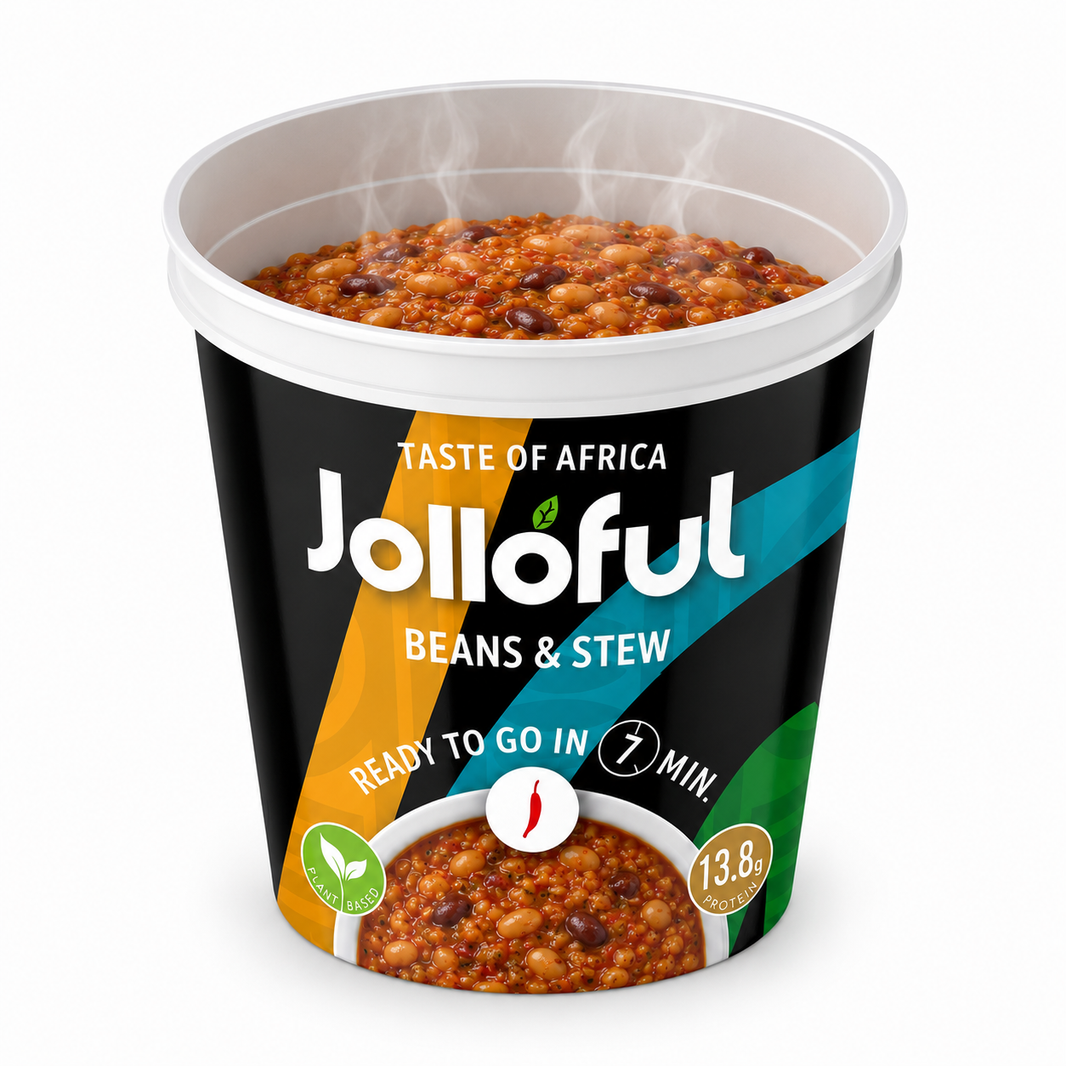
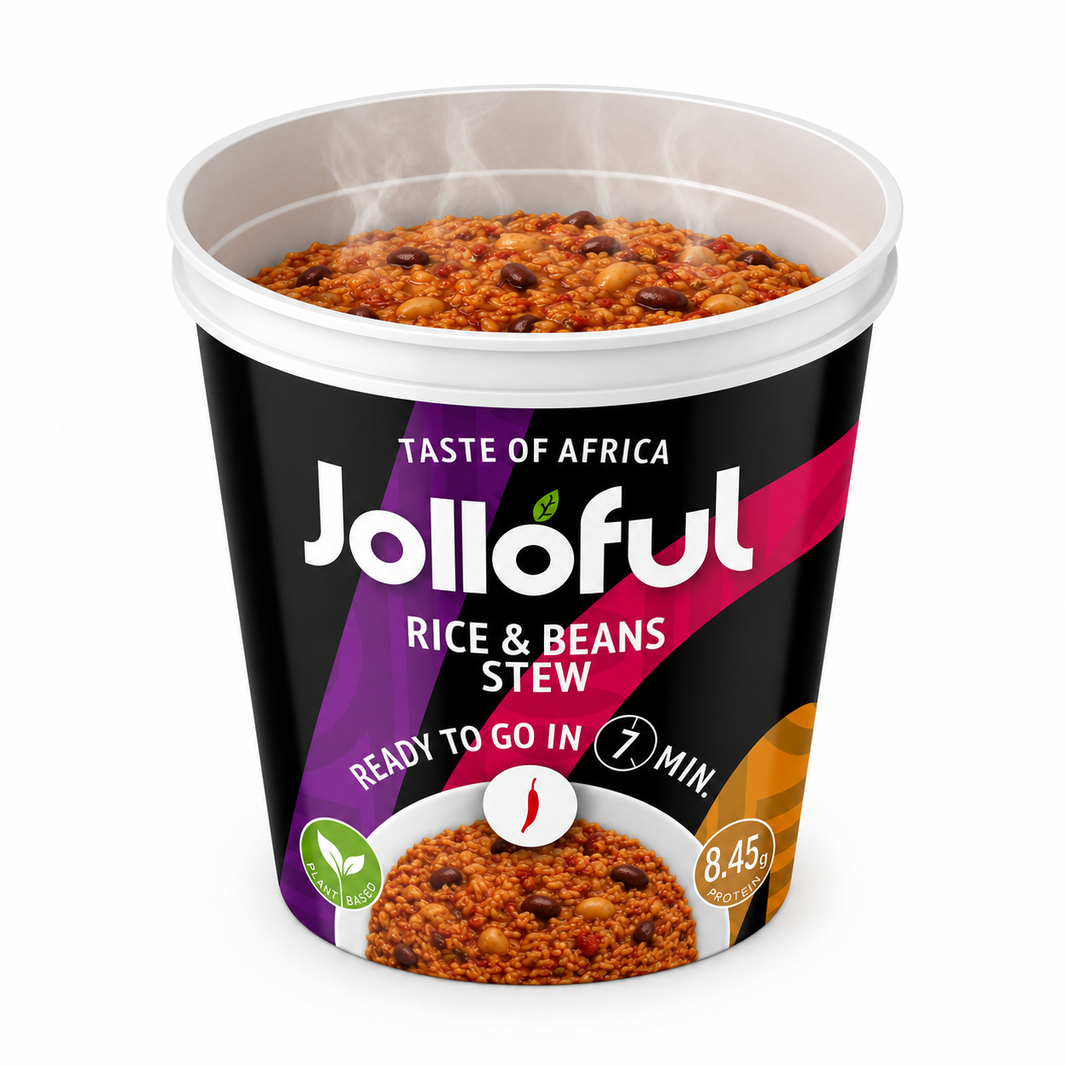
Keep two or three options you would be happy to eat, not just emergency food you tolerate. Jolloful offers a useful kind of backup: African-inspired, shelf-stable meals that are ready in 5-7 minutes with hot water, bringing big flavour to the days when cooking from scratch is not the point. Pair a quick meal with sliced cucumber, a handful of greens, yoghurt or fruit if you want more freshness, but let it stand on its own when that is all you have time for.
The trade-off is cost and control. Cooking dried beans from scratch will generally be cheaper, and a homemade meal lets you adjust every ingredient. Ready meals give you time back. A strong pantry contains both, because different days ask for different things.
Make flavour your non-negotiable
The fastest route to abandoning a meal plan is boredom. Plain rice, plain beans and plain vegetables may look sensible on paper, but they do not inspire anyone after a long day. Build flavour into the plan from the start.
One easy method is to keep a small rotation of flavour directions. Go bright and sharp with lemon, herbs and chilli. Go rich with tomatoes, coconut milk and warming spices. Go smoky with paprika, beans and roasted vegetables. Go savoury with stock, garlic and a finishing sauce. You are not creating complicated recipes. You are creating options.
A good finishing touch makes a pantry meal feel intentional. A squeeze of citrus, a spoonful of yoghurt, fresh herbs, toasted seeds or a drizzle of chilli oil can change the whole bowl. Keep these extras modest and use what you enjoy. The point is pleasure, not performance.
Store what you use, use what you store
Pantry meal planning works only when you can see what is there. Put older items at the front and new purchases behind them. Keep similar ingredients together, and write a short list on your phone before shopping. A quick monthly check is enough for most households.
Pay attention to the ingredients that repeatedly go untouched. Maybe dried pulses are too time-consuming for your routine, while tinned versions disappear quickly. Maybe you bought a large spice blend but only use one teaspoon every few months. This is useful information, not a reason to feel guilty. Your pantry should reflect the way you live now.
It also helps to keep a small “use first” area for open packets and items nearing their best-before date. Turn that section into a challenge once a week: make lunch from it before buying anything new. You will waste less and often find combinations worth repeating.
A plan that leaves room for real life
The best pantry plan is not rigid. It gives you a dependable answer to “what is for dinner?” without making every meal feel pre-decided. Keep the staples, protect the flavours you love, and make space for a fast option when the day has already taken enough from you.
A cupboard that feeds you well is more than a collection of tins and packets. It is a small act of care: food with substance, flavour with roots, and one less decision waiting for you at the end of the day.


Leave a comment