

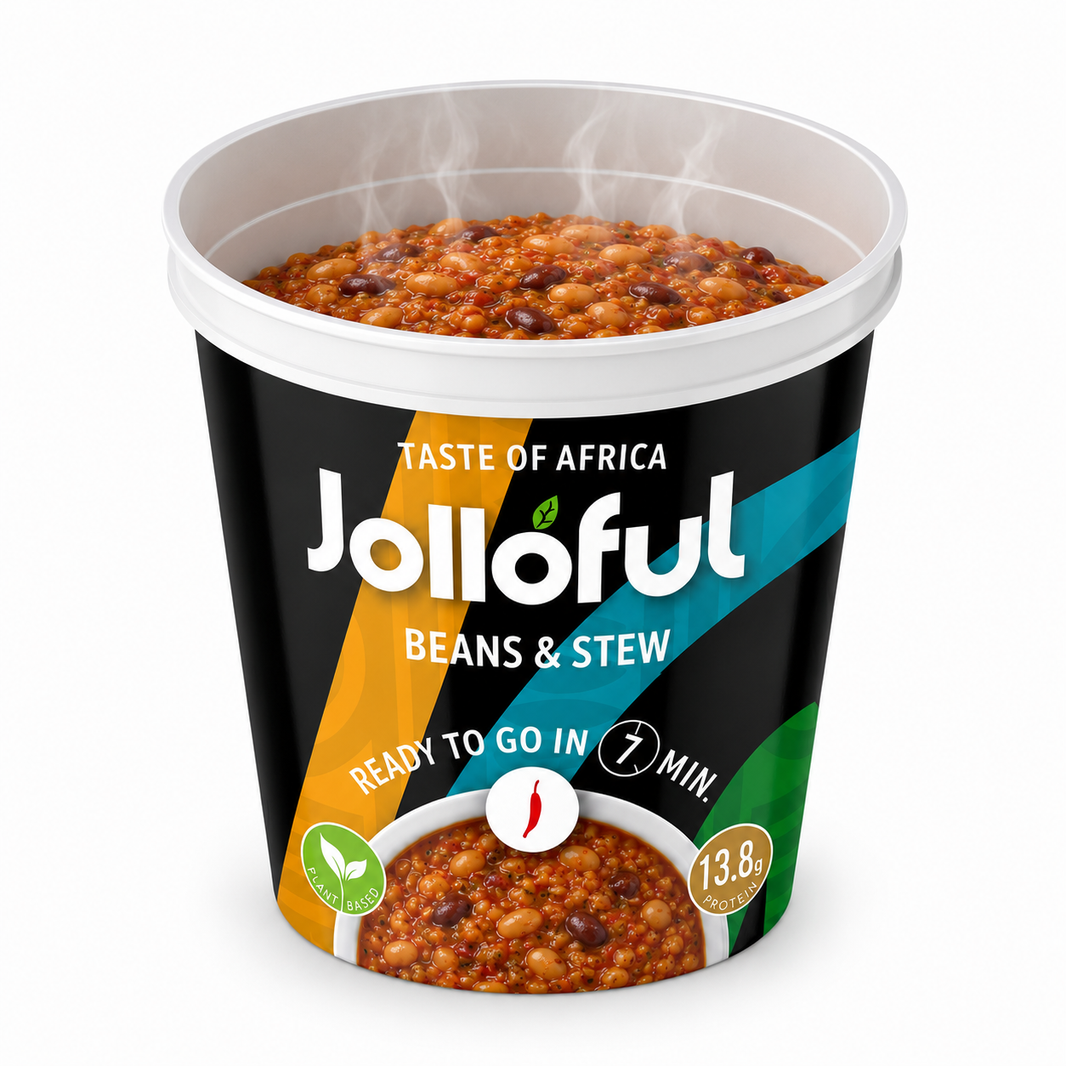

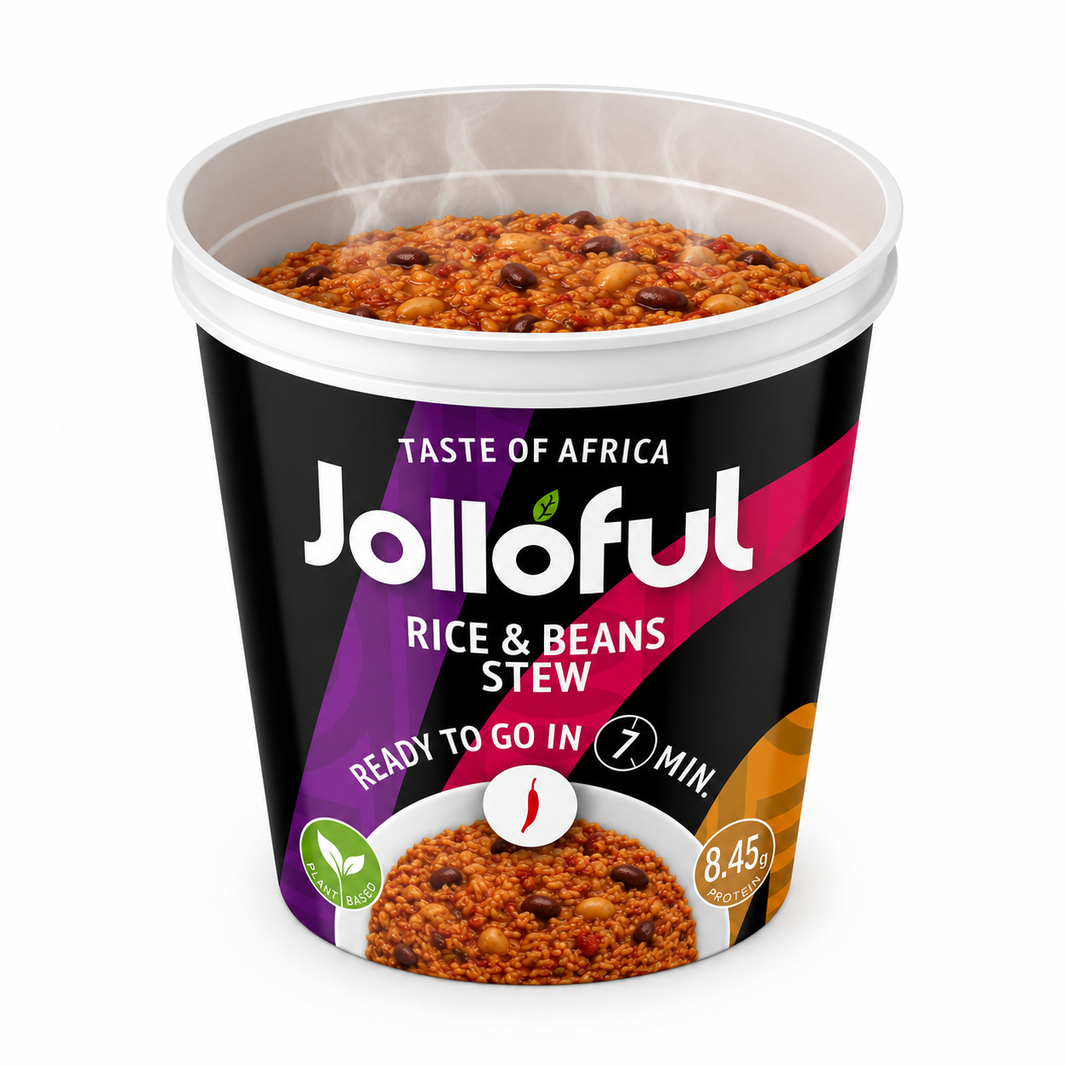

Order your 8-pack / 12 pack box today
The 2pm slump has a familiar soundtrack: a kettle boiling, a drawer opening, someone debating whether another bland sandwich counts as lunch. Office meal solutions should be better than emergency fuel. They should fit the pace of a busy workday while still giving people something warm, satisfying and full of character.
That matters whether you are working from a shared office, a co-working space or the kitchen table between calls. A good work lunch does not need a full restaurant kitchen. It needs smart ingredients, a quick preparation routine and enough flavour to make stepping away from the screen feel worthwhile.
What makes office meal solutions work?
Convenience is non-negotiable, but convenience alone is not the standard. Plenty of foods are fast because they are built around shortcuts: excess salt, artificial colour, vague flavouring and a texture that makes lunch feel like a compromise. Busy people deserve more than that.
The best office-ready meals balance four practical demands. They need to prepare quickly, store easily, travel well and taste like real food. If a meal relies on a fridge you do not have, a microwave that is always occupied or a cupboard full of extra ingredients, it may be convenient in theory but not in real life.
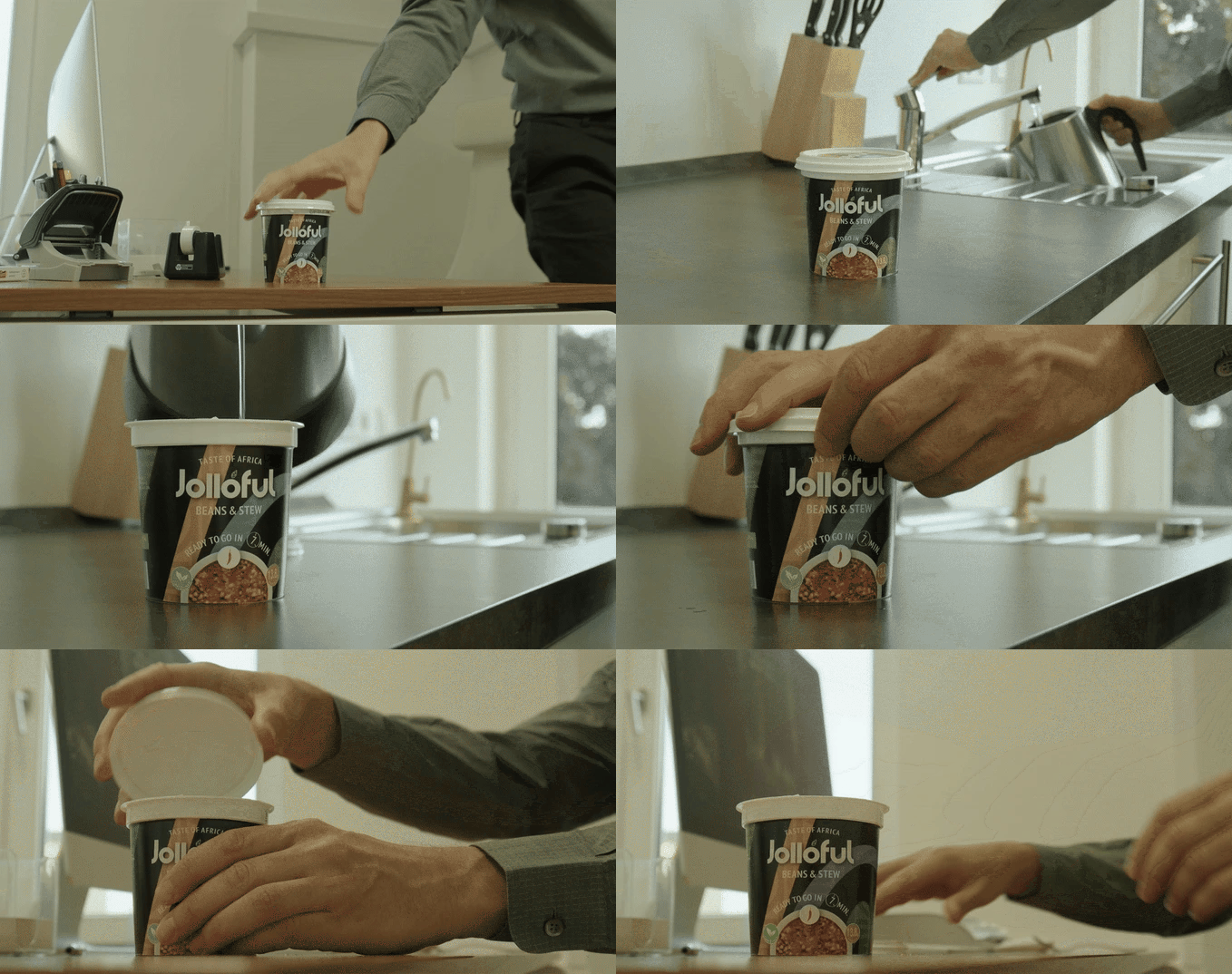
Shelf-stable meals are particularly useful here. Keep them in a desk drawer, a locker or the office cupboard and lunch is handled when meetings run over, trains are delayed or the meal prep plan never happened. Add hot water, wait a few minutes and get back to your day with something more substantial than biscuits and coffee.
Speed should not flatten flavour
A five-to-seven-minute meal can still have depth. African cooking is built on layered seasoning, slow-developed flavour traditions and ingredients that bring warmth, brightness and serious satisfaction. Fast preparation does not have to mean a flat, anonymous taste.
For African diaspora professionals, that can mean a familiar flavour waiting at work when there is no time to cook. For colleagues discovering African food for the first time, it is a welcoming, low-effort way to try something beyond the usual office lunch rotation. No specialist shopping trip. No intimidating recipe. Just a proper introduction through a meal that fits the day.
Build a better work-lunch routine
The strongest lunch routines leave room for real schedules. Some weeks you will batch-cook on Sunday. Other weeks, a packed calendar will make that impossible. The goal is not perfection. It is having options that stop hunger from making the decision for you.
Start by thinking about the moments when lunch goes wrong. Is it the day you forget to shop? The afternoon when back-to-back calls swallow your break? The commute home when you need to eat before you become too tired to cook? Choose food for those moments, not only for your best-organised week.
Keep a small backup stash where you work. A few shelf-stable meals, your preferred cutlery and a bowl or mug if needed can save you from expensive last-minute choices. In an office with a kettle, this is especially simple. In a home office, it can prevent the familiar cycle of grazing all afternoon and still feeling unsatisfied.
Variety matters too. Eating the same lunch every day may be efficient, but it can make even a good routine feel joyless. Rotate flavours and heat levels. Pair a warm meal with fresh fruit, a simple salad or yoghurt when you want something extra. The core meal should stand on its own, while the additions stay optional.
Know when ready-to-go beats meal prep
Meal prep can be brilliant. It is often more economical per portion and gives you complete control over ingredients. But it takes planning, fridge space, containers and a free evening. It is not always the right answer for people managing demanding jobs, family life, travel or a crowded shared kitchen.
Ready-to-go meals fill a different role. They are not trying to replace every homemade dinner. They cover the gaps: the unplanned office day, the missed supermarket run, the lunch break that lasts 12 minutes. Treating them as a practical part of your food routine, rather than a failure of organisation, makes them far more useful.
There is a trade-off, of course. A shelf-stable meal may cost more than cooking a large pot from scratch, and it will not offer the exact flexibility of a home-cooked plate. The value lies in reducing waste, saving time and avoiding a disappointing fallback meal when time is tight.
What to look for in office-friendly food
Read beyond the front-of-pack promises. A meal can call itself convenient, wholesome or inspired by global flavours without delivering much of any of it. Look for a short, recognisable ingredient list and clear preparation instructions. You should know what you are eating and how long it will take before you buy it.
A few details make a genuine difference:
- Preparation that suits your workplace: Hot water is often easier to access than a clear microwave queue.
- A realistic portion: Lunch should carry you through the afternoon, not leave you hunting for snacks 30 minutes later.
- Flavour with identity: Choose meals that respect where their recipes come from instead of reducing whole cuisines to a vague spice label.
- Clean-label confidence: No artificial colour and no added preservatives is a meaningful starting point for people who want better convenience food.
Spice is personal, so check the flavour profile before stocking up. A lively kick can wake up a grey Wednesday, but not everyone wants the same level of heat before a client presentation. The ideal office selection has options: bold enough for serious flavour lovers, approachable enough for the curious colleague beside them.
Better food can shape a better break
Lunch is often treated as an inconvenience to squeeze between tasks. That mindset is bad for the meal and not especially good for the work either. A short, intentional break can reset your energy, move you away from the desk and give your mind a moment to land.
Food also creates connection. A fragrant lunch can start a conversation in the kitchen. Someone asks what you are having; someone else shares a food memory; a team used to beige meal deals finds a new favourite. Cultural food belongs in everyday spaces, including the office. It should not be reserved for special occasions or framed as unfamiliar simply because it is new to some people.
This is where brands such as Jolloful have a clear role: bringing real, culturally rooted African meals into modern routines without asking people to trade flavour for speed. It is not about making African food fit a convenience category by stripping away what makes it distinctive. It is about raising the category's expectations.
Make the office cupboard work harder
If you manage an office, studio or co-working space, food is a small practical benefit with a large human impact. Offering a few thoughtful meal choices can help people who commute long distances, work late, observe different eating habits or simply forget lunch on chaotic days.
There is no need to turn the kitchen into a full canteen. Start with shelf-stable options that require little storage and clear labels that help people choose confidently. Ask the team what they would actually eat. A well-chosen range will usually beat an overflowing cupboard of snacks that nobody finds satisfying.
For individuals, the same principle applies. Stock food you genuinely look forward to. When your backup option tastes good, it stops being a backup and becomes part of a workday that feels better organised, better fed and far less beige.


Leave a comment