



A hot lunch can make a workday feel more satisfying than another cold sandwich. These easy lunch ideas for construction workers include make-ahead wraps and sandwiches, filling rice and grain bowls, packable snacks, and hot meals in insulated food jars. Choose what suits your break, appetite, and work routine.
Short breaks call for food that’s ready when you are. A little preparation at home can help you pack a lunch that travels well, tastes good, and keeps you going through a busy shift. Choose practical ingredients and pack them carefully to preserve their texture.
Find ideas for busy mornings, simple ways to prep lunches ahead, and snacks to tuck into your bag. We’ll also cover hearty bowls and warm meals for insulated jars, with tips to make lunch convenient from your first break to your last bite.
Need Quick Lunch Ideas?
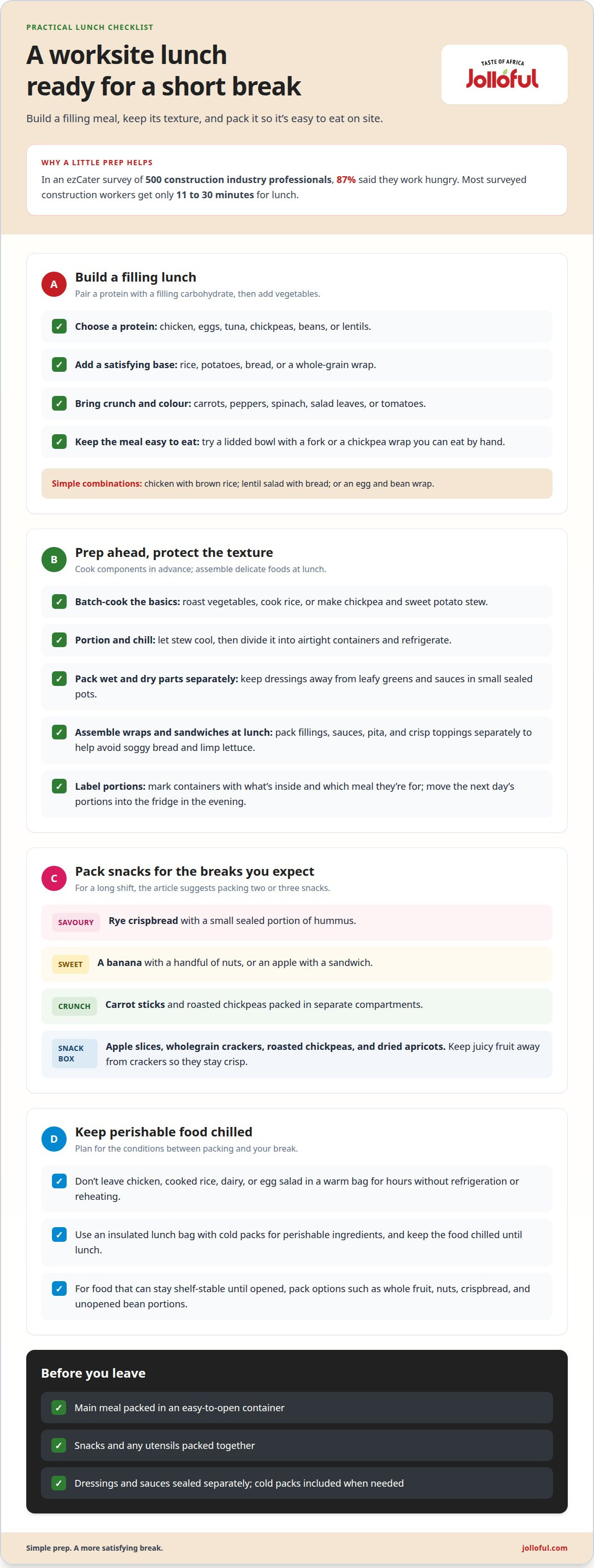
For demanding physical work, pair protein with filling carbohydrates. A chicken and brown rice bowl, lentil salad with bread, or egg and bean wrap makes a more substantial lunch than a pastry alone. Add crunchy vegetables, such as carrots or peppers, for colour and texture.
Budget-friendly construction-worker lunches in Germany can start with oats, eggs, canned beans, lentils, potatoes, and seasonal vegetables. At Aldi, Lidl, REWE, or Edeka, prices vary by brand, pack size, season, and current offers. Compare unit prices on shelf labels to find an affordable combination.
For an easy, filling lunch, pack a whole-grain wrap with chicken, hummus, and spinach, or rice with beans and roasted vegetables. Eggs, tuna, chickpeas, and lentils add protein to sandwiches, grain bowls, and salads. Pair them with potatoes, rice, or bread for a more satisfying meal.
Choose lunches that suit a short break and are easy to eat on site. A lidded bowl of rice, beans, and chicken needs only a fork; a chickpea wrap can be eaten by hand. Keep dressing separate from leafy greens and add it just before eating to preserve their crunch.
German supermarkets offer practical lunch basics, including whole-grain rolls, hard-boiled eggs, plain quark, canned chickpeas, ready-washed salad, and cherry tomatoes. Toss chickpeas with salad leaves and tomatoes, and pack dressing separately for a protein-rich salad. Add cooked lentils or sliced egg for a heartier version.
Without refrigeration or reheating, don’t leave perishable foods such as chicken, cooked rice, dairy, or egg salad in a warm bag for hours. Choose foods that are shelf-stable until opened, such as whole fruit, nuts, crispbread, and unopened bean portions. For perishable ingredients, use an insulated lunch bag with cold packs and keep the food chilled until lunch.
A lunch that is quick to eat still needs to match the demands of the workday. In an ezCater survey of 500 construction industry professionals, 87% said they work hungry, while most surveyed construction workers get only 11 to 30 minutes for lunch. That short window makes preparation worthwhile: pack a complete meal in advance, choose a container that opens easily, and keep utensils and any dressing together so there is less to sort out during the break. Roasted Cauliflower Salad can be served with roasted chickpeas for extra protein, making it a useful option when you want something that can be prepared ahead and eaten cold.
The energy demands help explain why a small snack may not be enough for a full shift. A 2019 NIH report put male construction workers’ average energy expenditure at 4.9 calories per minute. The page’s cited estimate puts construction workers’ energy expenditure at about 300 calories an hour, and a standard eight-hour construction shift represents about 2,400 calories of energy expenditure, based on the page’s cited estimate. These figures describe estimated energy expenditure, not a personal meal prescription, but they underline the value of packing enough food for the break. A substantial portion with protein, vegetables, and a filling carbohydrate can be easier to manage than relying on whatever is available at the worksite. Preparing lunch the night before also leaves more time in the morning and makes it simpler to bring a meal that suits the length of the break.
Batch Cooking and Make-Ahead Meals
Set aside one cooking session to prepare several lunch components. Roast vegetables, cook rice, and make chickpea and sweet potato stew. Once the stew has cooled, divide it into airtight containers and refrigerate the portions for later meals. It reheats well, so you can enjoy a satisfying lunch without starting from scratch each morning.
A sheet pan can cover several lunches with little preparation. Roast chicken, broccoli, and peppers together, then serve them over rice or quinoa. Italian sausage and vegetables are another batch-cooking option. Portion them over rice, quinoa, or cauliflower rice, and vary the seasoning for different lunches through the week.
Prepare sandwiches and wraps in stages to stop the bread from going soft. For chickpea shawarma sandwiches, pack the seasoned filling, sauce, and pita separately. At lunch, spoon the filling into the pita and add the sauce. For a BLTA, cook the bacon ahead, but assemble each sandwich on the day you’ll eat it.
Tofu lettuce wraps also travel better when packed in separate parts. Put the tofu and mushroom filling, lettuce cups, and crispy rice noodles in different containers. Warm the filling, then assemble the wraps just before eating. The lettuce stays crisp, and the noodles keep their crunch.
Use the same approach for a chickpea, broccoli, and avocado pita: pack the filling separately and assemble it at lunch. If you’re concerned about the avocado browning, use hummus instead. These easy lunch ideas for construction workers make advance prep practical without soggy sandwiches or wraps.
Plan portions around the workday, not just the lunch break. A 12-hour shift calls for more than one meal, so prepare a main lunch and another substantial option. Freezer-prep breakfast burritos can work later in the day, too. Thaw and heat one before leaving, then pack it for a planned break.
Label containers with their contents and intended meal, especially when preparing several recipes. Keep dressings and sauces in small sealed pots, and store crisp vegetables separately from warm components. In the evening, move the next day’s portions into the fridge. Packing them before you leave then takes less time.
Packable Sides and Snacks
Pack two or three snacks for a long shift rather than relying on one large lunch. A morning snack can tide you over until lunch, with another for a later break. Choose filling combinations, such as fruit with nuts or crispbread with a small portion of roasted chickpeas.
An adult snack box makes food easy to carry and eat. Use a lidded container with separate sections for crisp and soft foods. For example, add apple slices, wholegrain crackers, roasted chickpeas, and a few dried apricots. Keep juicy fruit away from crackers so they stay crisp.
- For a savoury bite: pack rye crispbread with a small sealed portion of hummus.
- For a sweet break: pair a banana with a handful of nuts.
- For crunch: choose carrot sticks and roasted chickpeas in separate compartments.
- For a quick side: add a whole apple or pear beside a sandwich.
Match each snack to the break you expect to take. A banana or small pack of nuts is easy to eat quickly, while crispbread with hummus feels more substantial. For a longer pause, combine fruit, crackers, and chickpeas in one snack box for a mix of sweetness, crunch, and savoury flavour.
Pack snacks the night before, then put them beside your lunch container in the fridge or bag area. Seal dry foods such as nuts and crackers in portions, and keep cut vegetables in a separate container. This protects their texture and makes it easier to grab one snack at a time.
For a supermarket run in Germany, look for apples, bananas, rye crispbread, plain nuts, and canned chickpeas. Drain and roast chickpeas at home with paprika for a crunchy side, or pack them plain in a small container. Pair fruit with crispbread for a simple option that needs no cutlery.
Plan snacks around your main meal. If lunch is a sandwich, add fruit and roasted chickpeas for contrasting textures. If it’s a grain bowl, pack a banana or crispbread for another break. A small, planned selection can make a long workday easier to manage without bulky packaging.
Pasta, Rice, and Grain Bowls
Cooked grains make a sturdy base for a packable lunch. Try bulgur with roasted peppers, parsley, cucumber, and crumbled cheese, or toss wholegrain pasta with peas, sweetcorn, and a light mustard dressing. Keep dressing separate until lunch so the grains and vegetables retain their texture.
For a customisable poke-style bowl, start with rice and add cooked salmon or tofu, cucumber, grated carrot, and edamame. Pack each topping separately, then combine them at your break. Sesame dressing adds a nutty finish. Cooked toppings are a practical choice when you can’t keep raw fish chilled.
Build a grain salad around ingredients that hold their shape. Try pearl barley with roasted courgette, cherry tomatoes, parsley, and feta. Add lemon juice and olive oil just before eating for a brighter flavour. The barley makes the salad substantial, while the tomatoes add a juicy contrast.
Rice bowls are a good way to use leftovers. Mix cooked rice with roasted aubergine, spring onions, and plain yogurt seasoned with lemon and paprika. Add sliced boiled egg for a more substantial meal. Pack the yogurt sauce separately and spoon it over the bowl at lunchtime to keep the rice from becoming too soft.
Pasta salads can make use of whatever is in your fridge. Combine fusilli with roasted courgette, spinach, and grated cheese, or add peas and chopped olives for a savoury bite. A little pesto coats the pasta without making it heavy. Use an airtight container to prevent spills in your work bag.
- For a warm-weather bowl: pack couscous with roasted peppers, parsley, and lemon dressing.
- For a creamy pasta salad: mix shells with peas, yogurt, and chopped herbs.
- For a crunchy rice bowl: add cucumber, carrot, and toasted seeds just before eating.
Cook a plain base ahead, then vary the toppings across your lunches. Pair rice with egg and greens one day, then roasted vegetables the next. Cooked pasta works with pesto or lemon dressing. Store components separately, and pack a fork sturdy enough for grains, vegetables, and firmer toppings.
These dishes offer another way to make a grain or noodle lunch fit what is already on hand. Veggie Fried Rice can be customized with vegetables left in the refrigerator. The choice of vegetables can guide the variation, rather than requiring one fixed combination. Garlic Chicken And Veggie Pasta can be varied with different vegetables and noodle shapes while keeping the ingredient ratios the same. This allows the vegetable selection or noodle shape to change while the stated ratios remain consistent.
Cold Sesame Noodles With Crunchy Vegetables can be made heartier by adding chicken or shrimp. Those are two stated options for changing the dish while keeping its core ingredients in view. Taken together, these ideas offer distinct directions: customize the fried rice with vegetables left in the refrigerator, vary the pasta’s vegetables and noodle shape without changing ingredient ratios, or add chicken or shrimp to the sesame noodles. Each approach focuses on a specific kind of adjustment, so a lunch can be adapted through the vegetables available, the shape of the noodles, or one of the additions named here.
Hot Lunches Packed in Insulated Food Jars
An insulated food jar can carry a warm, spoonable lunch to a site without a microwave. Try thick lentil stew with carrots, a mild chicken curry with rice, or tomato and bean soup. Add vegetables such as spinach, peas, or diced peppers for color, texture, and a more substantial bowl.
Preheat the jar by filling it with boiling water, closing the lid, and leaving it for a few minutes. Empty the water, then add piping-hot food. This helps the container hold warmth better than adding hot food to a cold jar.
Choose recipes with enough sauce or broth to stay moist. Thick vegetable soup, chickpea stew, and chicken with rice are easier to eat from a jar than dry roasted vegetables. Cut larger pieces into spoon-sized bites and leave room at the top so the lid closes securely.
For a balanced jar meal, layer cooked grains, protein, and vegetables. Try rice with beans, sweetcorn, and tomato sauce, or lentils with potatoes and spinach. Stir everything together before packing so each spoonful includes sauce and tender vegetables.
Clean the jar and lid after every use, including the seal and threads where food can collect. Pack the closed container upright in a sturdy lunch bag, away from tools that could knock it over. A separate spoon and napkin make the meal easier to manage during a short site break.
To keep packed lunches fresh and safe in Germany, chill perishable food until departure, or pack hot food directly into a preheated jar. Perishable lunch food should not sit between 40°F and 140°F for more than 2 hours. An insulated container helps carry hot food, but careful preparation and timely eating still matter.
Keep the routine simple: prepare a stew or curry ahead, reheat it thoroughly, preheat the jar with boiling water for a few minutes, then fill and seal it. Jar lunches work best with moist dishes and bite-sized ingredients. Choose a hearty recipe, pack it hot, and make the container part of your plan.
Jolloful
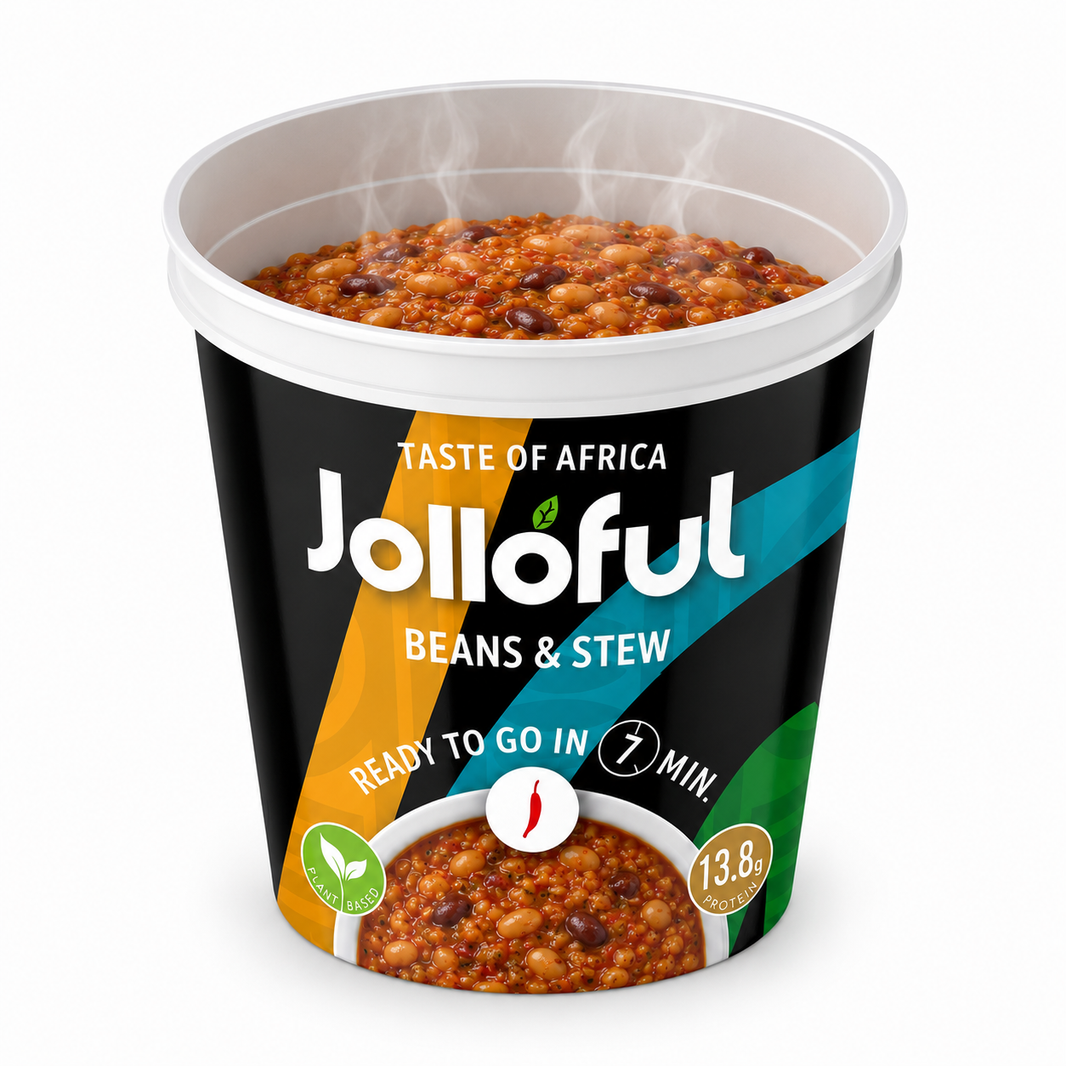
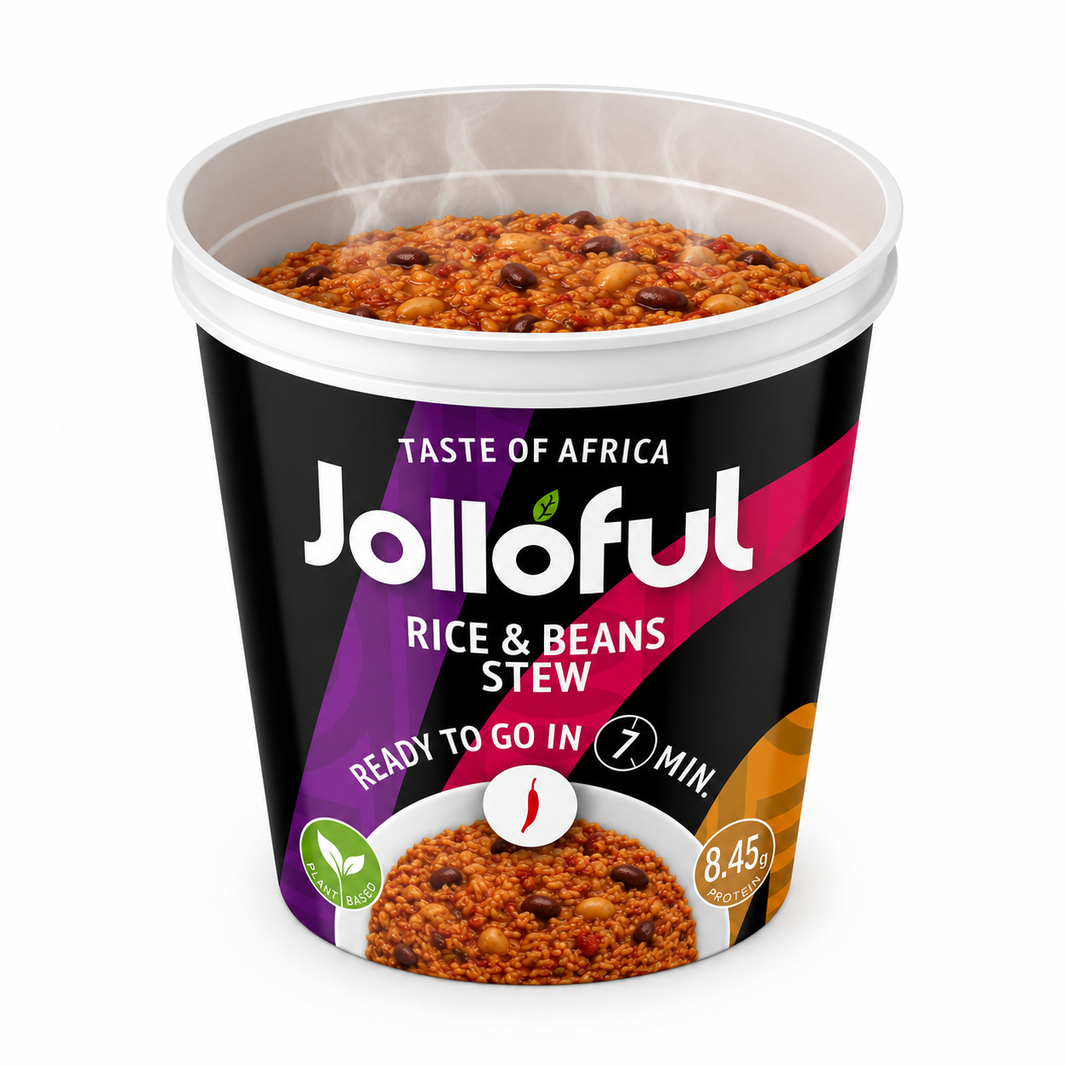
Jolloful offers packaged meal options for workdays when lunch preparation needs to be simple. Its shelf-stable, ready-to-eat meals are designed for quick preparation, making them a practical starting point for a lunch plan. Choose from rice and stew, beans and stew, or a combination of rice and beans.
Options include Mild West African Rice & Stew, Spicy African Rice & Tomato Stew, African Rice & Beans Ready Meal, and African Beans & Tomato Stew Ready Meal. Choose a milder or spicier stew, or a meal built around beans, to suit your lunch routine and flavour preference.
For a fuller packed lunch, add a familiar side, such as fruit or crispbread. It brings a different texture without turning lunch preparation into another cooking session. Keep your plan simple: choose a meal, add a side, and pack any cutlery you need.
These meals can simplify planning ahead, too. Keep one on hand for days when there’s little time to prepare lunch, and cook from scratch when that’s what you feel like. The aim is flexibility, not eating the same lunch every day.
Jolloful’s food brings African culinary traditions into a convenient format for modern routines. The recipes use real ingredients and contain no artificial preservatives, according to the company information. For workers who enjoy the comfort of rice, beans, and stew, those familiar flavours can offer a welcome change from a sandwich.
Choose according to your taste and the break ahead. Mild West African Rice & Stew suits those who prefer a milder stew, while Spicy African Rice & Tomato Stew offers more heat. African Rice & Beans and African Beans & Tomato Stew put beans at the centre of the meal. Pair your choice with sides that work for your day.
For questions about Jolloful’s meal options, contact Jolloful whenever it suits you.
Frequently Asked Questions
Which work lunches can be eaten cold without reheating?
Cold pasta salad, a chickpea sandwich, or a couscous bowl with roasted vegetables can all be eaten without reheating. Keep wet toppings, such as tomato salsa or dressing, in a small sealed pot until lunch. If there’s no fridge on site, choose shelf-stable food or carry chilled food in an insulated bag with cold packs to help keep it in good condition.
What high-protein lunches are good for physically demanding construction work?
Try lentil and roasted vegetable salad, an egg-filled wholegrain roll, or a chicken and bean bowl. Each combines a protein-rich ingredient with a substantial base, such as bread, potatoes, or rice. Add vegetables for crunch and flavour. Rotate the main ingredient through the week, using eggs one day and beans or chicken another, to keep lunches varied without planning a completely different meal each day.
How can lunches be meal-prepped for a construction workweek?
Prepare separate components instead of assembling every lunch at once. Cook a base, such as potatoes or pasta, and portion it into containers; add different toppings each day. Keep sauces separate, label each container, and move the next meal to the fridge the evening before. This lets one batch of ingredients become several lunches with varied flavours and textures.


Leave a comment