

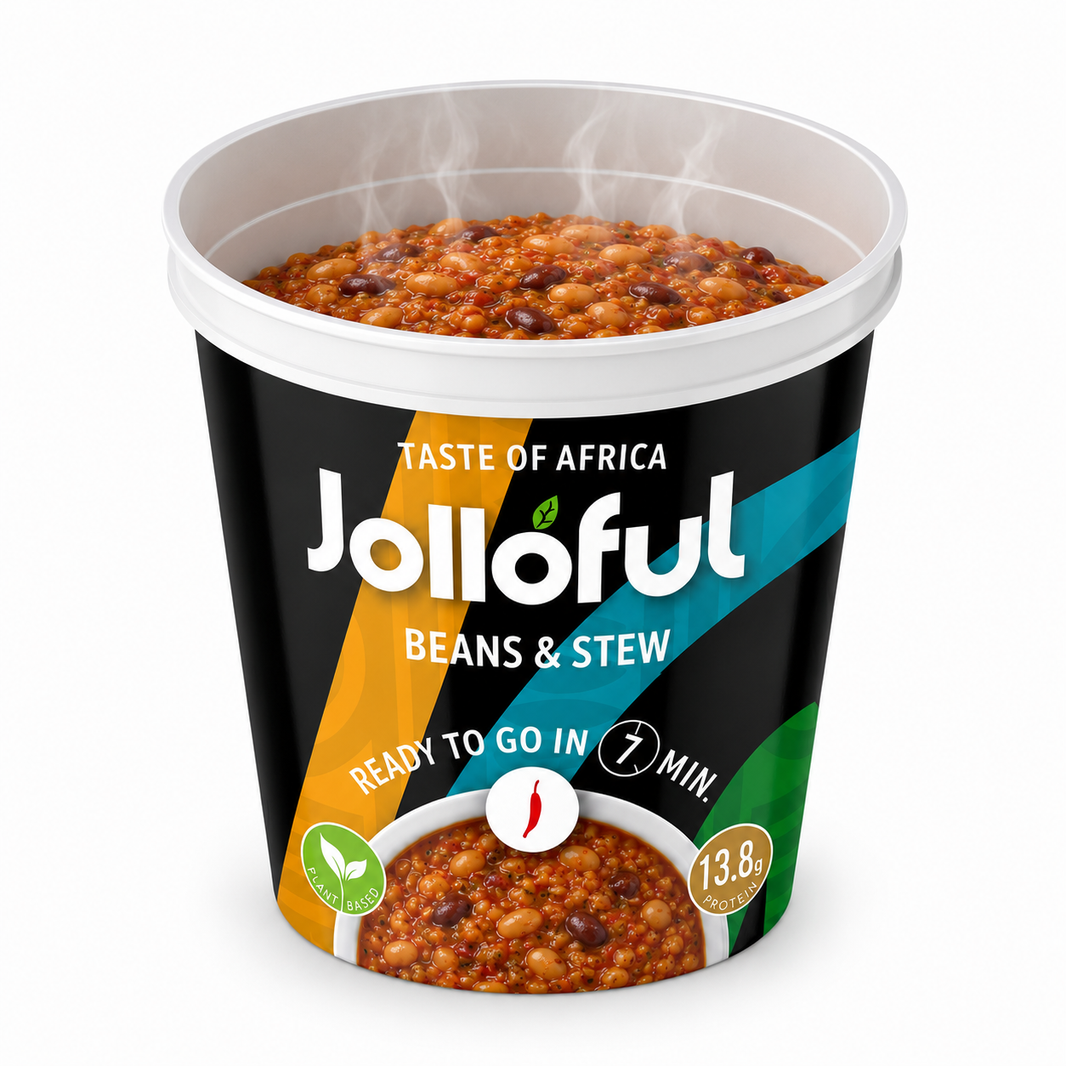

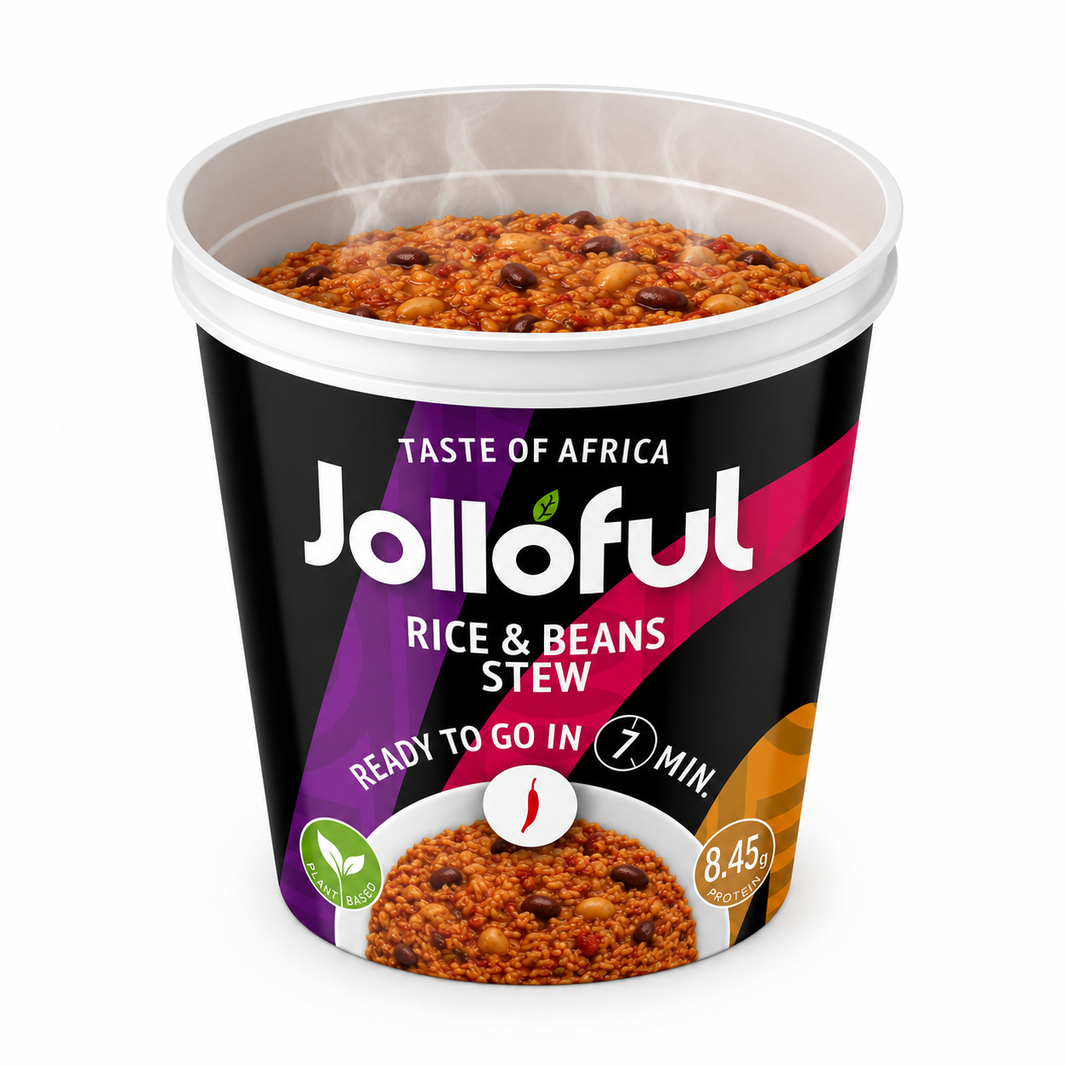

A great shelf-stable meal earns its place in the cupboard: it is there when work runs late, the fridge is empty, or you want something full of flavour without starting from scratch. To store dried meals safely, give them the same care you would give any real food. A cool, dry cupboard protects quality, keeps preparation simple and means your next quick meal tastes as vibrant as it should.
Dried meals are built for modern life, but “shelf-stable” does not mean indestructible. Heat, moisture, light and poor handling can quietly affect taste, texture and safety. A few practical habits make all the difference.
How to store dried meals safely from day one
Start with the original packaging. It is designed to keep moisture out and contains the key information you need: ingredients, allergens, preparation instructions and the best-before date. Keep meals in their sealed packs until you are ready to use them, rather than decanting everything into a jar for the sake of a tidy shelf.
Choose a cupboard away from the cooker, kettle, radiator and direct sunlight. The space under a sink is usually a poor choice too. Even a small plumbing leak or regular steam from washing up can introduce dampness where dry food needs the opposite.
Aim for a place that stays comfortably cool and dry, ideally below 25°C. You do not need a specialist pantry. A shaded kitchen cupboard, hallway cupboard or closed food drawer in a dry flat will usually do the job well. What matters most is consistency. Repeated swings between cold and hot can reduce quality over time.
If your kitchen gets very warm in summer, move unopened meals to the coolest dry area of your home. Avoid the fridge unless the label specifically says otherwise. Refrigerators can be humid, and condensation can form when a cold pack is taken back into a warmer room.
Keep moisture out and flavour in
Water is the enemy of dry storage. Once moisture reaches a dried meal, it can cause clumping, stale flavours or spoilage. A damp pack is not something to ignore because the meal still looks mostly fine.
Before putting groceries away, check that each packet is clean, sealed and undamaged. Do not use packs with tears, holes, wet patches, broken seals, unusual swelling or signs that insects have got inside. If a delivery arrives soaked through, contact the seller rather than taking a chance.
After opening a multi-serve dried product, seal it tightly straight away. A clip can work for a short period, but an airtight container is better if you will not finish it soon. Use a clean, completely dry spoon each time. A spoon fresh from the sink, or one that has touched cooked food, can introduce moisture and bacteria into the remaining product.
There is a trade-off here. Transferring food to containers can save space and make cupboards easier to organise, but it can also remove the date and allergen information you rely on. If you decant, label the container with the product name, best-before date and any major allergens. Keep the preparation guidance nearby.
Do not rely on a sniff test alone
A strange smell, unexpected colour change, visible mould, hard damp clumps or an altered texture are all reasons to throw a dried meal away. But an item can be unsuitable before it develops an obvious smell. If the package has been damaged or badly exposed to moisture, bin it. The cost of replacing one meal is not worth the risk.
Use dates properly, not fearfully
Most sealed dried meals carry a best-before date rather than a use-by date. Best-before is about quality: flavour, aroma and texture are likely to be at their best before that date when the product has been stored as directed. It is not automatically a safety deadline in the way a use-by date is for highly perishable food.
Still, treat the date with respect. Keep older packs at the front of the cupboard and put new purchases behind them. This simple first-in, first-out routine cuts waste and ensures you enjoy every meal when its flavours are at their strongest.
If you find an unopened pack just past its best-before date, inspect the packaging carefully and follow the label. When the seal is intact and the product has been stored cool and dry, it may still be fine, but quality can vary. If there is any doubt, do not serve it.
For an easy system, write the month and year of purchase on the outer pack in pencil or keep similar meals together in a small basket. You will see what you have before ordering more, which is especially useful when building a dependable cupboard for busy weeks.
Make your cupboard a clean, calm zone
Safe storage is not only about the packet. It is also about the shelf around it. Wipe crumbs and spills away promptly, and clean cupboards regularly with a food-safe method before allowing them to dry fully. Crumbs attract pests, while sticky surfaces hold moisture.
Keep dried meals away from strong-smelling cleaning products, laundry products and chemicals. Food packaging is protective, but it is not a reason to store dinner beside bleach. Give food its own clean zone.
It also helps to separate dry meals from raw ingredients that may leak. A bag of flour or grains should be tightly closed; fresh produce should not be left to spoil nearby. If you spot insects in one dry product, check the surrounding cupboard, discard affected food and clean the area thoroughly before restocking.
A small amount of organisation pays off:
- Keep unopened meals together, away from steam and sunlight.
- Place the oldest best-before dates at the front.
- Store opened dry products in labelled airtight containers.
- Check packets after a holiday, a house move or an unusually hot spell.
Safe storage after preparation
Once hot water has transformed a dried meal into dinner, the rules change. It is no longer shelf-stable. Eat it promptly while it is hot, especially if you have added fresh ingredients such as vegetables, eggs or meat.
If you need to save leftovers, cool them quickly, transfer them to a covered container and refrigerate within two hours. In a very hot room, do it sooner. Eat refrigerated leftovers within one to two days and reheat until steaming hot throughout. Reheat only once.
Some meals simply are not at their best as leftovers. Grains and vegetables can soften, spices can fade and a carefully balanced texture can become heavy. If you know you will not finish a portion, prepare only what you plan to eat where the instructions allow it. Never return prepared food to the dry packet.
Pack dried meals for work, travel and backup plans
Shelf-stable food is made for more than the kitchen cupboard. It belongs in the desk drawer, university room, weekend bag and emergency food supply too. Keep packs dry and protected from crushing, particularly in a rucksack where a water bottle might leak.
Avoid leaving meals in a parked car for long periods. Cars can become far hotter than a cupboard, even on a mild day, and extreme heat will not do flavour or packaging any favours. For work, choose a drawer or locker away from a radiator and check that you have reliable access to hot water before relying on a meal for lunch.
Jolloful meals are designed to make real, culturally rooted flavour possible in minutes. Storing them well is part of that promise: the pantry should deliver an easy answer, not a compromise when the day gets full.
Your cupboard does not need to look perfect. It needs to be dry, clean and easy to understand at a glance. Set aside a small space for meals you genuinely want to eat, rotate them as you go, and you will always have a flavourful option waiting when time is short.


Leave a comment